
English| EUR
Suggested for you
More currencies
Choose a language
A Frascati wine tour unfolds across cellars, barrel rooms, and tasting halls built into volcanic tufa caves. Most visits combine a guided cellar walk with a seated tasting of local whites, led by a sommelier or estate staff who decode the grape varietals that define this corner of Lazio.
Quick answer
A standard Frascati wine tour includes a cellar walk through tufa caves or estate barrel rooms, followed by a guided tasting of three to five local wines—typically Malvasia Puntinata, Trebbiano, and Bombino blends. The experience lasts between sixty and ninety minutes, priced at 30 EUR per person, and combines winemaking history with varietal education delivered by estate staff or a certified sommelier.
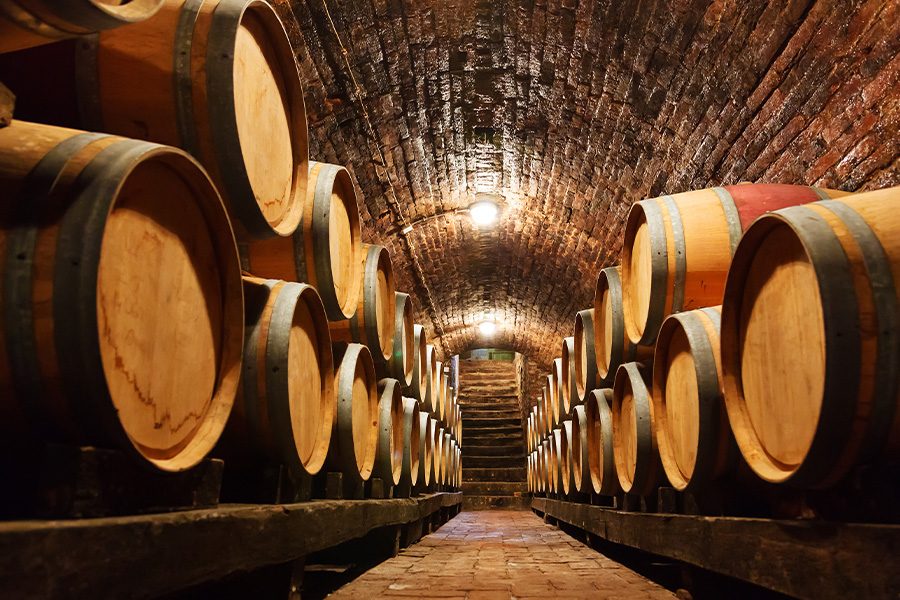
Frascati's wine cellars were carved into volcanic tufa over centuries, creating naturally cool vaults that maintain stable temperatures year-round without refrigeration. When you arrive for a Frascati wine experience, the tour begins in these underground chambers, where steel tanks and oak barrels line cave walls inscribed with centuries-old graffiti left by cellar workers. The guide—often a sommelier or a member of the winemaking family—explains the fermentation process specific to Frascati whites, which favor stainless steel to preserve the crisp minerality that defines the appellation. The tasting portion follows the cellar walk and takes place in a dedicated sala degustazione or a terrace overlooking the hillside vineyards. You'll sample three to five wines poured in sequence, beginning with a lighter Frascati Superiore and progressing to richer estate reserves or late-harvest expressions. The sommelier identifies each wine's grape composition—Malvasia Puntinata, Trebbiano Toscano, Bombino, and Greco Bianco appear in varying percentages—and describes the volcanic soil's influence on flavor. Expect tasting notes that reference almond blossom, white peach, and the faint salinity that comes from mineral-rich tufa terroir. Most tours provide small plates of local accompaniments: Castelli Romani bread, Pecorino Romano aged in nearby caves, or porchetta sliced thin. These pairings are not incidental; they're chosen to demonstrate how Frascati wine complements the regional table. The guide may also discuss the historical role of Frascati as Rome's wine supplier, explaining why trattorias across the capital still pour Frascati by the carafe. The entire visit—from cellar entry to final tasting notes—spans sixty to ninety minutes. Groups are typically small, ranging from six to twelve guests, which allows for questions and a conversational pace. Some estates offer vertical tastings that compare vintages from different harvest years, while others focus on single-varietal expressions that isolate one grape's character. Either format delivers the same outcome: a clearer understanding of what Frascati wine is, how it's made, and why volcanic terroir matters to the glass.
“Frascati's tufa cellars maintain stable temperatures year-round, a geological advantage that shaped centuries of winemaking before modern refrigeration existed.”
The best arrival window for a wine tour in Frascati is 09:30–16:00 to ensure sufficient time for the cellar tour and tasting experience. Planning your visit within this period allows for a comprehensive session before the late afternoon closing.
Mild, 15-22°C. Vineyards are vibrant and green during this season.
Optimal weather for touring the grounds and tasting outdoors.
Cool, 14-23°C. The harvest season occurs during this time.
High activity in the vineyards provides a clear look at production cycles.
—
Arriving at 09:30 allows for a quieter environment and more direct access to staff.
Warm to hot, 25-32°C. Consistent sun with occasional humidity.
Plan for midday heat by ensuring indoor cellar tours are prioritized.
Verdict: The concrete best slot is Tuesday to Thursday, arriving at 09:30, during the months of April or October.
The winery operates daily throughout the week, with adjusted hours on Sundays. Please review the schedule below to plan your visit.
The winery is located in Frascati, within the Metropolitan City of Rome Capital. The most direct approach for visitors arriving from central Rome is by regional train.
Regional train FL4 from Roma Termini to Frascati station
Travel via the A1/E45 motorway towards Frascati
Walk from Frascati station to the vineyard entrance
Visitors are encouraged to arrive within the recommended window to ensure sufficient time for the cellar tour and tasting. Since parking in the town center is limited, arriving by train and walking or taking a short taxi ride is often the most efficient method.
A typical Frascati wine tour unfolds over two to three hours, guiding you from the vineyard grounds through cool cellars and finishing with a seated tasting. Each stage reveals a different layer of the local winemaking tradition.
Present your booking confirmation at the estate entrance. Staff will verify your time slot and introduce the day's tasting menu.
The group moves outdoors to see the vines that produce Frascati's signature white varieties. Guides explain pruning cycles and terroir, so wear comfortable shoes for uneven ground.
You'll enter temperature-controlled cellars where stainless steel tanks and oak barrels line the walls. This is where guides discuss malolactic fermentation and aging—the segment most visitors underestimate for depth.
The final phase moves to a tasting room where four to six wines are poured in sequence. Each pour is paired with local bread or cheese, and the guide walks through aroma, body, and finish for every glass.
Preparation ensures a comfortable experience when navigating the historic cellars and vineyard grounds of Frascati.
Wear flat, closed-toe shoes with good traction to navigate uneven cobblestones and potentially slippery cellar floors safely.
Bring a light jacket or sweater, as wine cellars maintain a cool, constant temperature regardless of the heat outside.
Drink plenty of water between tastings to remain hydrated, especially when moving between outdoor vineyard areas and indoor facilities.
Carry a small bag for your belongings to keep your hands free for holding wine glasses and interacting with estate staff.
Apply sunscreen and wear a hat if you plan to walk through open vineyard rows, as shade is often limited during the trek.
Everything you need to know about what to expect on a wine tour
A visit typically involves walking through historic vineyards and exploring traditional cellars. You will learn about local viticulture and sample regional white wines produced in this area. It is a structured educational experience centered on the terroir of the Castelli Romani.
The entrance fee is 30 EUR per person, which covers the standard cellar visit and wine tasting. This fee is standard across the facility for individual visitors.
When considering what to expect on a wine tour, plan for the facility's closing times. The site remains open until 18:30 on weekdays and Saturdays, though it closes earlier at 13:00 on Sundays.
The best arrival window is between 09:30 and 16:00, as this allows sufficient time for the full tour and tasting before the late afternoon closing. Arriving early ensures you can enjoy the grounds without rushing.
Yes, the facility is open on Sundays from 09:30 until 13:00. This provides a brief but focused opportunity for visitors to enjoy a tasting during the morning hours.
These tours focus on wine production and consumption, which may be less engaging for younger guests. Guests should evaluate if the educational nature of the cellar walk matches the interests of their group.
To ensure you know what to expect on a wine tour, check the schedule before your arrival to align with our daily operations. We suggest booking ahead to secure your spot for the cellar demonstration.
Frascati Wine Tasting
Read more Tickets & toursFrascati Half Day Wine Tour
Read more Tickets & toursFrascati Food and Wine Tour
Read more GuideWhat Type of Wine is Frascati
Read more GuideWhat Does Frascati Wine Taste Like
Read more Tickets & toursFrascati Wine Tour from Rome
Read more Tickets & toursWine Tasting and Pasta Making
Read more Tickets & toursFrascati Winery Tours
Read more