2 hr 30 min
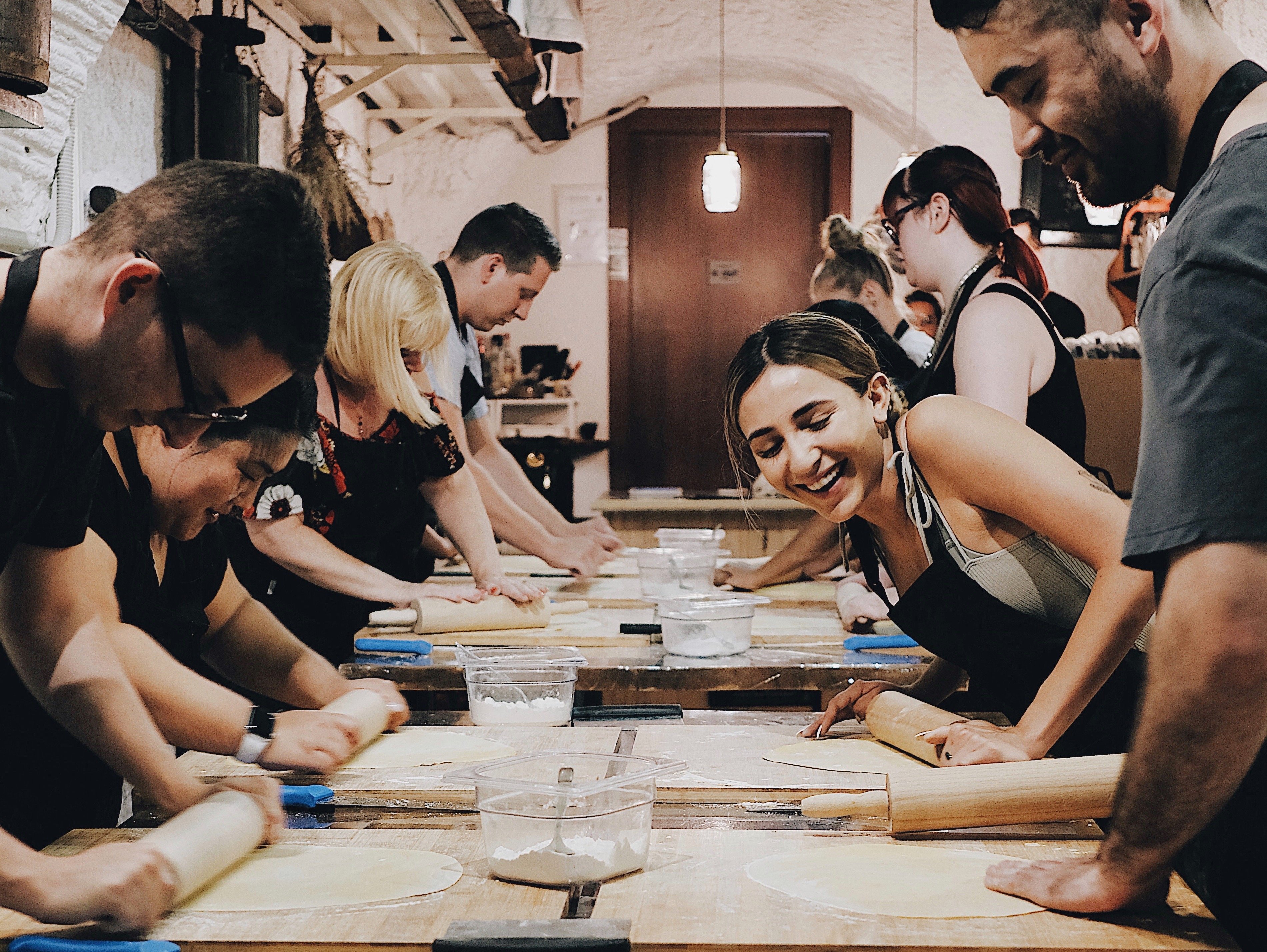
Frascati Wine Cave & Pasta Workshop with Local Family
Escape to a hillside wine town, craft handmade pasta, and explore a 15th-century cellar with a Roman family.
Reserve
Hand-picked by our editors — only the best 5 experiences from 23 reviewed.
Verified partners for every tour, free cancellation where available, and instant confirmation on every booking.
2 hr 30 min
Escape to a hillside wine town, craft handmade pasta, and explore a 15th-century cellar with a Roman family.
Reserve
4 hr
Escape to the hills for wine tastings, a guided walk through historic Frascati, and a farm-to-table lunch.
Reserve
6 hr
Half-day escape to historic wine country: cellar tours, three tastings, street food, and trattoria lunch
ReservePrices from verified partners. Availability updates in real time at checkout. Free cancellation policies apply where shown.
The landmarks, rooms, and views travelers on this tour remember — all visible on a single visit.
A 16th-century masterpiece with stunning terrace views overlooking Rome. The site features an intricate nymphaeum and water displays that are highlights of the region.
The primary religious landmark in Frascati, featuring a two-tone Baroque façade. It dates back to the late 16th century and serves as the town's social center.
Underground storage areas used for wine production, some dating back to Ancient Roman times. These cool, stone-carved spaces offer a glimpse into ancient techniques.
Located just outside the town center, these ruins provide a tangible link to 75 BC history. It is a must-see for those interested in the area's deep Roman roots.
An ornate church known for its detailed interior artwork and historical significance. It is a quintessential example of local religious architecture.
Frascati is the superior choice for travelers seeking a convenient, local immersion, while Tuscany offers a broader landscape for those with full days to spare. Planning a frascati food and wine tour provides a focused, accessible Italian countryside experience.
| Feature | Top pick Frascati Tour | Tuscany Tour |
|---|---|---|
Travel time from Rome |
30 minutes | 2.5–3 hours |
Regional focus |
Lazio / Castelli Romani | Tuscany / Chianti |
Price point |
0 EUR (independent) | 100–200 EUR per person |
Vibe and crowd levels |
Casual, local, low crowd | Tourist-heavy, expansive, busy |
Transport ease |
Frequent trains from Termini | Coach bus or private driver |
Heritage context |
Ancient Roman terroir | Renaissance rolling hills |
| See tickets → |
Verdict: If you want efficiency, these frascati food and wine tour tours are ideal, whereas Tuscany remains the standard for those seeking long-distance scenic frascati food and wine tour tickets excursions.
Choose your ticket, select your date, and reserve in under two minutes. Secure checkout handled by our verified partner.
Instant confirmation by email, with a mobile voucher you can save offline. No printing, no queuing at a collection desk.
Arrive at the entrance, show your voucher on your phone, and walk in. Most tickets include priority or skip-the-line access.
Practical details for your visit straight from our verified partners — hours, access, rules, and how to get there.
Piazza Guglielmo Marconi
Main arrivals point for trains from Rome
Regional trains from Roma Termini reach Frascati in 30 minutes.
Accessible via A1 motorway, parking available near the historic center entry.
Casual and comfortable clothing is recommended for walking through historic streets and vineyards. Sturdy, comfortable shoes are essential for cobblestone paths and uneven vineyard terrain.
Small daypacks are suitable for personal items during your frascati food and wine tour. Large luggage should be left at your accommodation as there are no secure storage facilities provided.
Photography is encouraged throughout the historic center and the scenic vineyards. Please be respectful of local artisans and private residents when capturing images in the town.
The historic center features sloped, cobblestoned streets that may present challenges for those with limited mobility. Vineyard tours often include uneven dirt paths and cellar steps.
Mobile phones are permitted for navigation and photography. Maintain silence during sommelier-led tasting portions to ensure everyone can hear historical details.
Families are welcome on most tours, though age restrictions may apply to certain wine-tasting activities. Ensure young children can navigate moderate walking distances.
The tour includes tastings of local delicacies like porchetta and regional wine. Please inform your guide of any specific food allergies prior to the start of the experience.
Pets are generally not permitted on group wine tours. Please check with your specific operator regarding private tour exceptions for small, well-behaved animals.
As a town, Frascati is open to the public; fees only apply to specific guided wine tours or tasting experiences. Visitors are encouraged to respect local customs and the quiet nature of residential areas.
Best time to go, insider tips, nearby landmarks, and the cancellation fine print — flip through to skim what matters to you.
How crowds, weather, and events shift across the year.
Mild temperatures perfect for walking tours and vineyard explorations during April and May.
August offers sunny days; ideal for evening wine tastings while overlooking the sunset.
Harvest season (September-October) provides a unique look at the traditional winemaking process.
Quieter period, though vineyard tours may be limited due to seasonal weather conditions.
Small details that turn a good visit into a great one.
Visit on a weekday morning to enjoy the town before weekend day-trippers arrive from Rome.
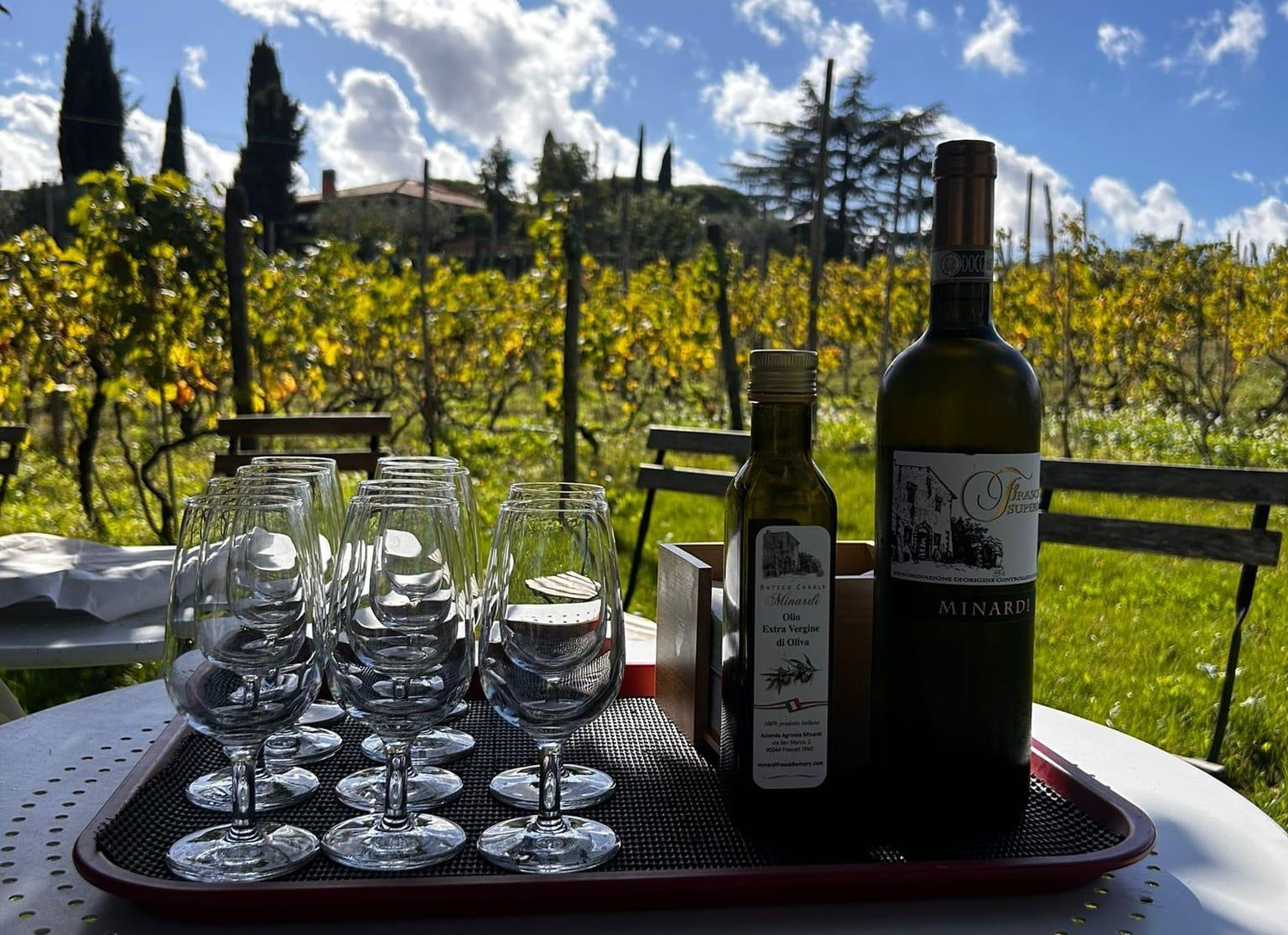
Learn the difference between Frascati Superiore DOCG and Sweet Cannellino DOCG before your tasting.
Skip the sandals; the cobblestone streets require sturdy, flat-soled shoes for comfort.
Plan to be at a viewpoint near sunset for the best lighting across the countryside toward Rome.
Popular tours sell out during peak summer weekends, so secure your spot online early.
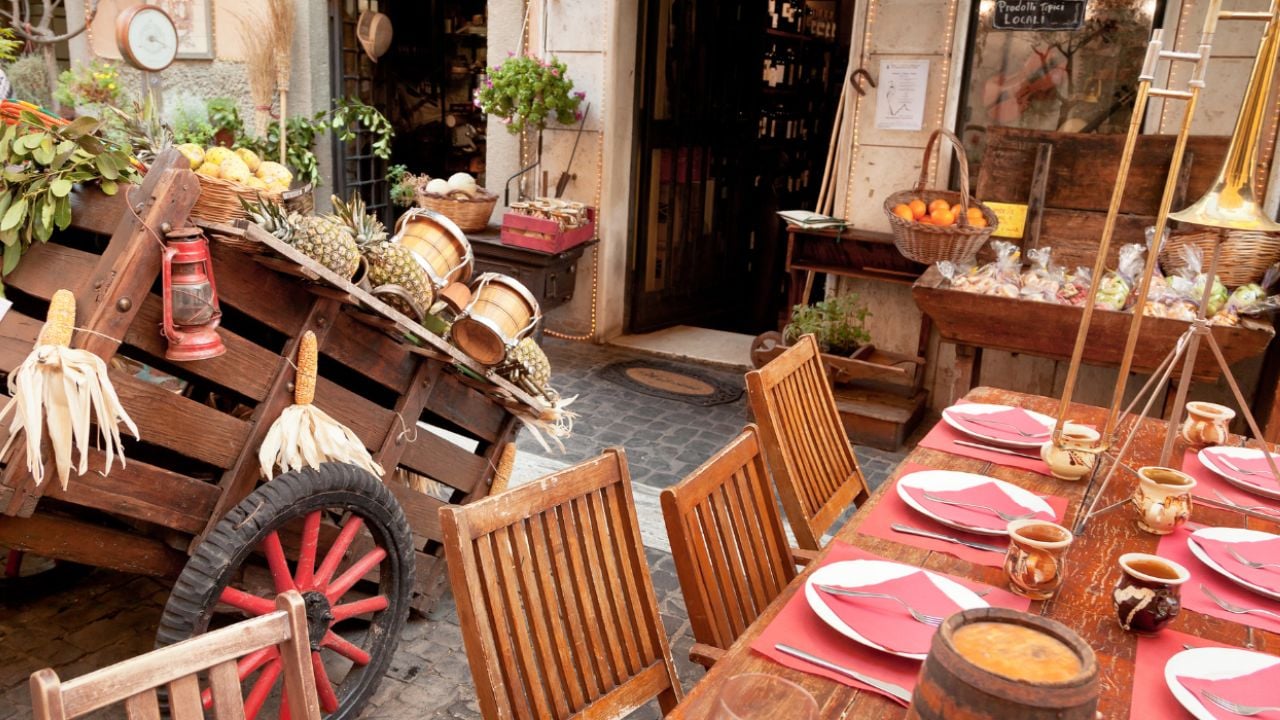
Visit a local norcineria to try authentic roasted pork, a staple of the local diet.
Non-bookable sights within a short walk — free to visit, easy to pair.
Baroque cathedral dominating the central town square
Renowned villa with expansive gardens and fountains
Historical church known for its ornate religious art
The lively heart of town, popular with local residents
Flexible, no hidden fees.
Full refunds are typically available for cancellations made within the operator's specified advance notice window. Please review your specific tour confirmation for exact time-bound refund terms regarding the 0 EUR entrance fee policy.
Hand-picked options within walking distance — pick a district for vibe, or a specific hotel for convenience.
Charming small hotels located near the main cathedral
Traditional accommodations with scenic views of Rome
Convenient options for travelers taking early transport
Frascati's volcanic soil, laid down by the long-extinct Latian volcano, gives its white wines a mineral edge that survived two millennia of Roman appetites. The town perches at 320 metres above the Campagna, close enough to the capital that ancient senators kept villas here, far enough that the summer heat softened into breezes. By the sixteenth century, Cardinal Aldobrandini had built his hillside palazzo, and the aristocratic families that followed planted the terraced vineyards that still climb the slopes today. The local grape, Malvasia di Candia, produces a straw-colored wine with notes of almond and white peach; it was served at papal banquets and poured in the osterie where Goethe sat during his Italian sojourn in 1787. Today, a Frascati food and wine tour connects visitors to working estates where winemaking remains a family discipline. The cellars are carved into tufa, the porous volcanic rock that holds a constant cool, and many date to the seventeenth century. The DOC Frascati designation, established in 1966, protects the blend: at least seventy percent Malvasia and Trebbiano, with small measures of Greco and Bombino rounding the profile. Harvest runs from late August through September, and the fermentation happens in steel to preserve the wine's fresh acidity. The result is a table wine meant to accompany food rather than stand alone, which is why every tasting comes with bread, olive oil, pecorino, and often a plate of hand-rolled pasta. The Castelli Romani hills hold more than thirty producing wineries, but only a handful open their doors to visitors. Tours typically begin mid-morning, when the cellars are coolest, and proceed through the barrel room, the bottling line, and the family's private reserve. Guides are often the winemakers themselves or their sons and daughters, and they speak with the pragmatism of people whose income depends on the next vintage. The tasting room overlooks the vineyard or the valley, and the pairings are honest: porchetta, bruschetta rubbed with garlic, fava beans in spring, roasted peppers in summer. The frascati food and wine tour tours that include a cooking component usually run three to four hours, with a pasta workshop held in a farmhouse kitchen where the dough is mixed by hand and the sauces simmer on a gas range. Frascati lies sixteen kilometres southeast of Rome, reachable by the FL4 regional train in thirty-five minutes. The town's historic centre, with its Renaissance fountains and Baroque churches, sits above the modern station, and the vineyards begin at the edge of the old quarter. The strada dei vini, a marked route through the denominazione, links estates by narrow switchbacks lined with chestnut and oak. On weekends, Roman families drive up for lunch, parking in the gravel lots outside the agriturismi and staying until the afternoon shadows lengthen.

"The volcanic soil gives Frascati's whites a mineral edge that survived two millennia of Roman appetites."
A step-by-step walkthrough of the visit — what you'll see, how long each stage takes, and the details that matter.
You step off the train at Frascati station and walk uphill through the old quarter, past the twin fountains in Piazza San Pietro, where the water runs cold from the aqueduct above. The vineyard estate sits just beyond the town walls, its gate marked by a wooden sign weathered to gray. A guide meets you in the gravel courtyard and leads you down stone steps into the cantina, where the air drops ten degrees and smells of damp rock and fermenting must. The barrels are stacked in rows, each one labeled with the vintage and the block number, and the guide opens a spigot to draw a sample of the current year's wine, still cloudy and sharp. You return to daylight and cross to the tasting pavilion, a covered terrace with views over the valley toward Rome. The table is set with ceramic plates, a basket of bread, and small bowls of olive oil pressed from the estate's own trees. The first pour is the Frascati Superiore, pale gold and dry, and it arrives with a plate of pecorino aged three months. The second is the riserva, richer and rounder, paired with slices of porchetta from the village butcher. If you've chosen a Frascati food and wine tour that includes cooking, you move indoors to the farmhouse kitchen, where flour and eggs wait on a wooden board. You knead the dough, roll it thin, and cut fettuccine by hand, then sit down to eat what you made, the pasta dressed with butter and sage, the wine poured generously, the afternoon slipping into early evening.
Most tours operate between 09:00 and 19:00, though specific vineyard visit times are best scheduled between 10:00 and 13:00. The town itself is open daily, though Sunday is a quiet day.
The historic center and many vineyards involve walking on cobblestones and uneven terrain, which may be difficult for visitors with limited mobility.
Small personal bags are permitted, but please keep them light as there are no storage facilities at the tour meeting points.
Photography is encouraged throughout the tour; bring your own camera or phone to capture the vineyards and town views.
The best time for a frascati food and wine tour is between 10:00 and 13:00 to maximize your time in the vineyards before afternoon closures.
Casual, comfortable clothing and sturdy walking shoes are recommended for the best experience in Frascati.
Yes, most tours include a guided tasting and a traditional local lunch as part of the package.
The most convenient way to reach Frascati is by a 30-minute regional train from Roma Termini station.
Yes, children are generally welcome, though wine tasting is restricted to adults; please check your specific ticket policy.
Cancellations are subject to the operator's specific window; always verify your ticket terms upon booking.
You can easily combine your visit with stops at the Cathedral of St. Peter or the panoramic Villa Aldobrandini.