
English| EUR
Suggested for you
More currencies
Choose a language
Frascati is a dry white wine with a crisp, refreshing profile rooted in centuries of winemaking tradition in the Castelli Romani hills. This guide breaks down its flavor signature, the grape varieties that shape it, and what to expect when you taste it at a local winery or pair it with Roman cuisine.
Quick answer
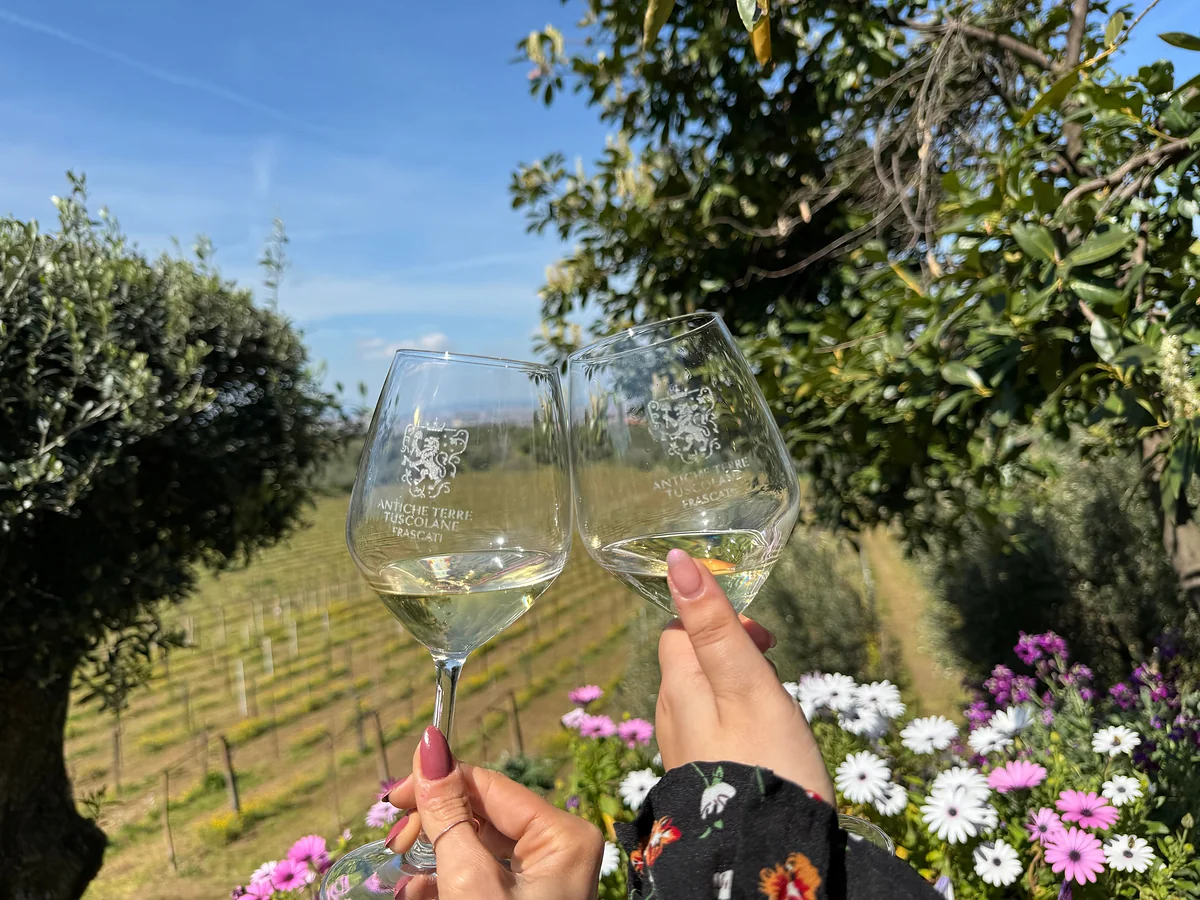
Frascati wine tastes crisp and light-bodied with dominant notes of green apple, citrus zest, and white flowers. The palate typically reveals lemon, pear, and a subtle almond finish, balanced by bright acidity and a clean mineral edge drawn from the volcanic soils of the region. Most expressions are dry, though sweeter Cannellino styles exist.
Frascati derives its flavor from a blend dominated by Malvasia Bianca di Candia and Trebbiano, two grape varieties that thrive in the volcanic terrain southeast of Rome. The mineral backbone of what does Frascati wine taste like comes directly from the tufa and pozzolana soils left by ancient volcanic activity, lending a distinctive stony quality that separates it from coastal Italian whites. The wine's acidity cuts through the richness of Roman dishes like cacio e pepe and porchetta, a pairing locals have relied on for generations. Entry-level Frascati DOC bottlings emphasize bright citrus and white peach, while Frascati Superiore DOCG examples offer greater concentration, layered with herbal undertones of chamomile and fennel. The finish is typically short to medium, with a whisper of bitter almond that signals authenticity. Tasting rooms across the region allow visitors to compare expressions side by side, revealing how altitude, vineyard age, and fermentation vessel shift the profile. Steel-fermented versions highlight freshness and transparency; those aged briefly in neutral oak add weight and a rounder mouthfeel without masking the varietal character. The best months to visit for tasting are late spring and early autumn, when harvest activity and cellar work provide context for what you taste in the glass. Frascati's reputation suffered in the mid-twentieth century when mass production diluted quality, but a wave of estate-focused producers has restored its standing. Today the wine represents both historical continuity and modern precision, offering a genuine sense of place at a fraction of the cost of more famous Italian whites. Understanding what does Frascati wine taste like requires tasting it where the grapes are grown, ideally within sight of the vineyards that supply the bottle.
“The mineral backbone comes directly from the tufa and pozzolana soils left by ancient volcanic activity.”
Frascati wine, particularly Frascati Superiore, offers a distinct sensory profile shaped by its historic volcanic terroir. This profile is defined by the regional blend of Malvasia and Trebbiano grapes.
The primary grape variety, Malvasia Bianca di Candia, contributes floral aromatics and a rounded mouthfeel to the blend. It provides the essential body that balances the wine's characteristic acidity.
Trebbiano Toscano is frequently blended with Malvasia to introduce sharp acidity and citrus notes. This addition ensures the wine maintains a crisp, refreshing quality.
The vineyards are situated on the Alban Hills, where volcanic soil imparts a unique mineral character to the wine. This geology often manifests as a subtle saline or flint-like finish on the palate.
Tasters commonly identify prominent flavors of lemon zest, green apple, and white peach. These fruit-forward characteristics are primary markers of a typical Frascati vintage.
Frascati Superiore is produced as a dry white wine, devoid of residual sugar. The absence of sweetness highlights the wine's structured mineral backbone and clean, zesty profile.
The natural acidity levels found in these grapes produce a wine that pairs effectively with local Roman cuisine. Its structure is designed to cut through rich, fried dishes or fatty meats.
Wineries in the Frascati region welcome visitors Tuesday through Sunday. Operations are closed on Mondays.
Frascati is a wine region rather than a single venue, so there is no cost to enter the area. Individual winery tasting fees vary depending on the specific estate and selection.
Verdict: Visitors typically pay 0 EUR to enter the region, with actual costs depending on the specific winery tastings selected.
Frascati is located in the Metropolitan City of Rome, Italy, and is most easily accessed from central Rome via regional rail services. The journey connects travelers directly to the heart of this historic wine-producing region.
FL4 regional line from Roma Termini to Frascati station
A1 motorway towards Napoli, taking the Monte Porzio Catone exit
Direct transfer from Rome city center
Upon arriving at the Frascati train station, the town center and numerous local wineries are reachable within a short walk or a brief local taxi ride. Planning your travel to arrive within the optimal morning window ensures you avoid peak lunch crowds at tasting venues.
Everything you need to know about what does frascati wine taste like
Generally, what does frascati wine taste like involves notes of crisp green apple, citrus, and white flowers with a distinct mineral finish. This white wine is known for its bright acidity and refreshing character, reflecting the volcanic soil of the Castelli Romani region. Understanding what does frascati wine taste like helps you appreciate its historical reputation as the wine of the popes. When exploring what does frascati wine taste like, you will find it is predominantly produced as a dry white wine, though historical styles sometimes offered sweeter profiles. Modern winemaking techniques ensure most bottles labeled as Frascati Superiore are crisp and bone-dry. The primary grapes are Malvasia Bianca di Candia and Trebbiano Toscano, which contribute to its aromatic profile and complexity. The best time to experience the region is between 10:00 and 12:00, which serves as the optimal window for winery visits and tastings before the lunch crowds arrive. While the region of Frascati is open to visitors, there is an entrance fee of 0 EUR to enter the area, though individual winery tasting fees will vary based on the specific producer. A typical visit focuses on exploring local cellars, learning about volcanic terroir, and sampling regional vintages alongside traditional snacks. You can reach the town by arriving at the address in the Metropolitan City of Rome, Italy, which is well-connected for day trips from the capital.
Frascati Wine Tasting
Read more Tickets & toursFrascati Half Day Wine Tour
Read more Tickets & toursFrascati Food and Wine Tour
Read more GuideWhat Type of Wine is Frascati
Read more GuideWhat to Expect on a Wine Tour
Read more Tickets & toursFrascati Wine Tour from Rome
Read more Tickets & toursWine Tasting and Pasta Making
Read more Tickets & toursFrascati Winery Tours
Read more