4 hr
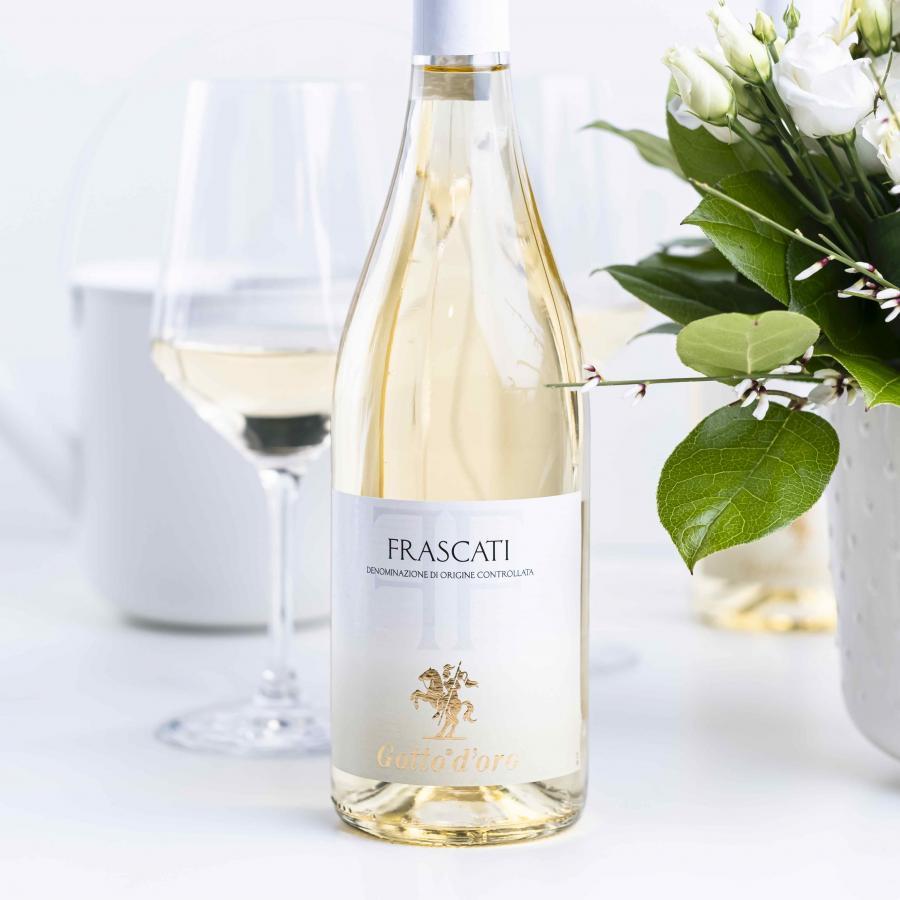
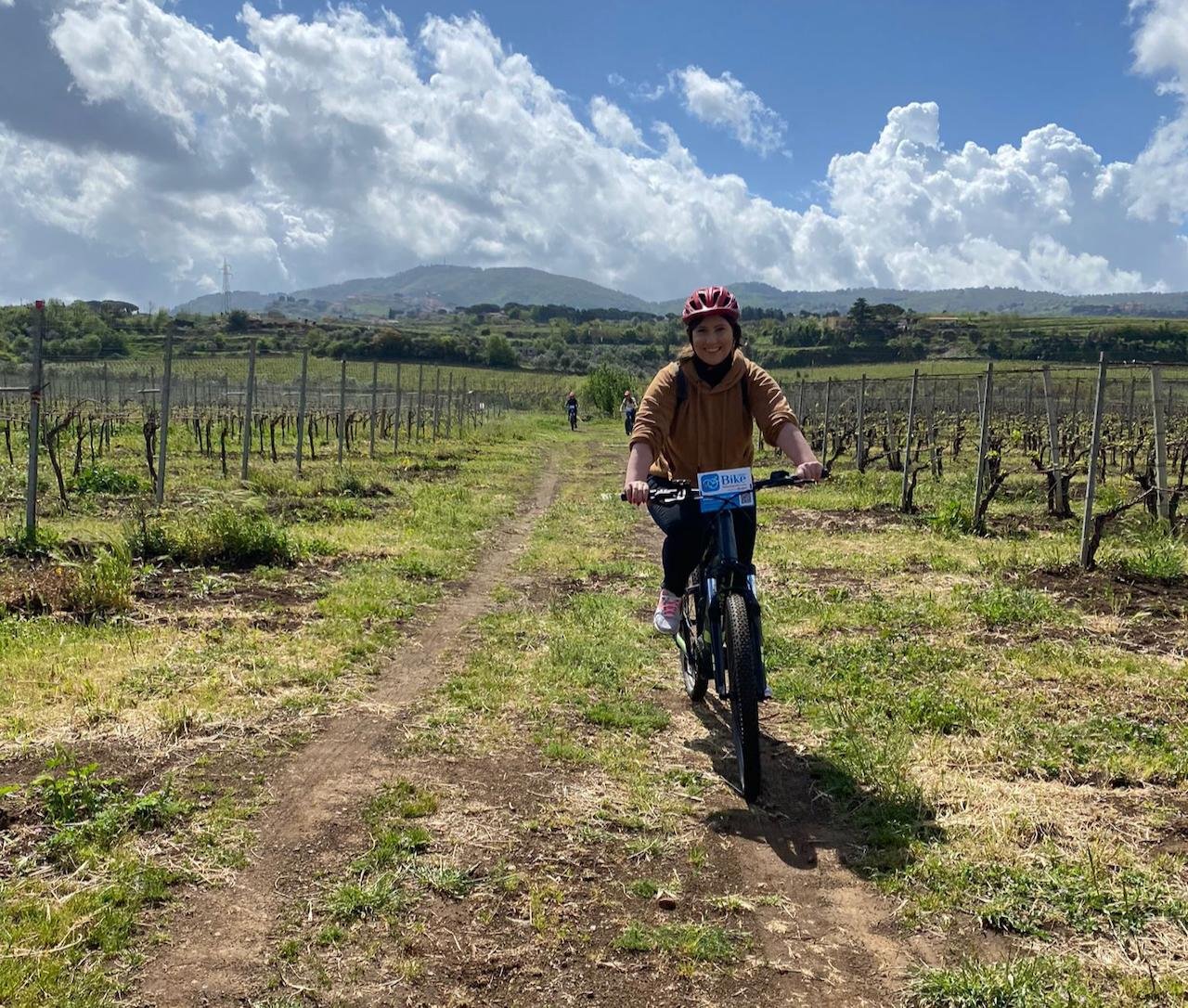
Frascati Wine & Farmhouse Lunch from Rome
Explore a historic wine town and taste three boutique wines at a ninth-generation family vineyard
Reserve
Volcanic soil, ancient vines, a white that shaped Rome's tables for centuries
Hand-picked by our editors — only the best 12 experiences from 47 reviewed.
Verified partners for Frascati Wine tours, free cancellation where available, and instant confirmation on every booking.
4 hr
Explore a historic wine town and taste three boutique wines at a ninth-generation family vineyard
Reserve
6 hr
Escape to the hills south of Rome for wine cave exploration, DOCG tastings, and a traditional trattoria feast
Reserve
4 hr
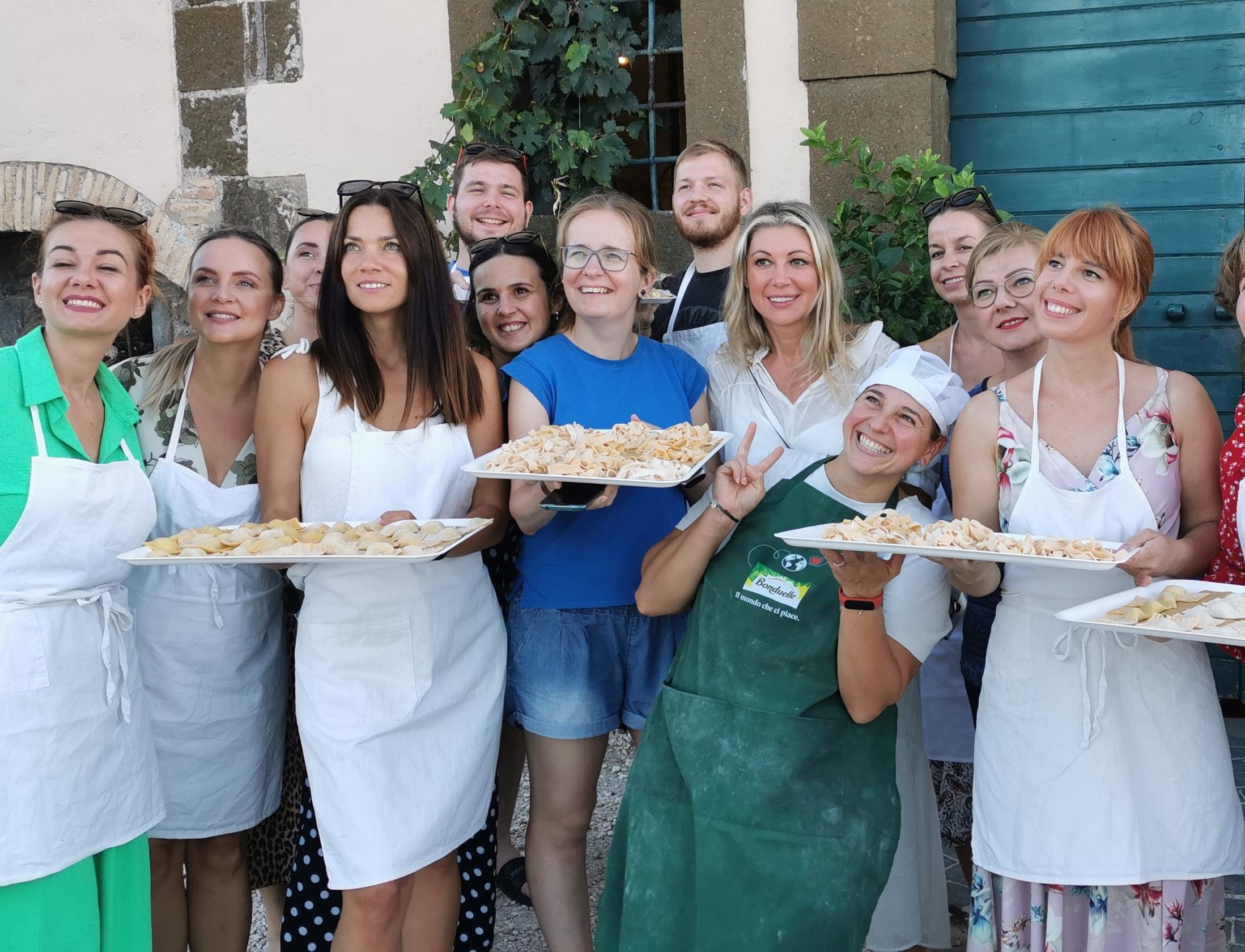
Craft authentic pasta with a local chef, explore historic vineyards, and savor boutique wines near Rome
ReservePrices from verified partners. Availability updates in real time at checkout. Free cancellation policies apply where shown.
The landmarks, rooms, and views travelers on Frascati Wine tours remember — all visible on a single visit.
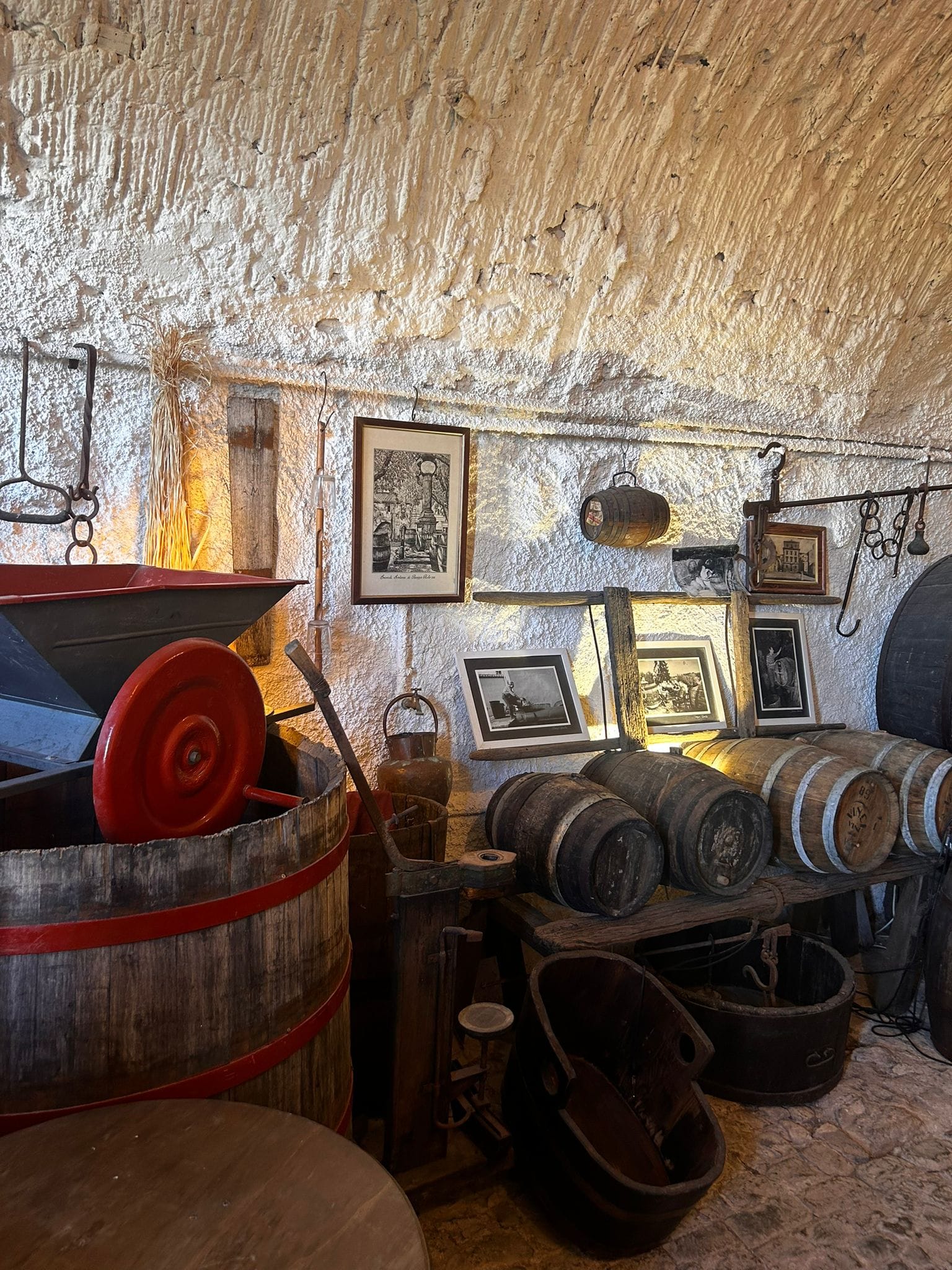
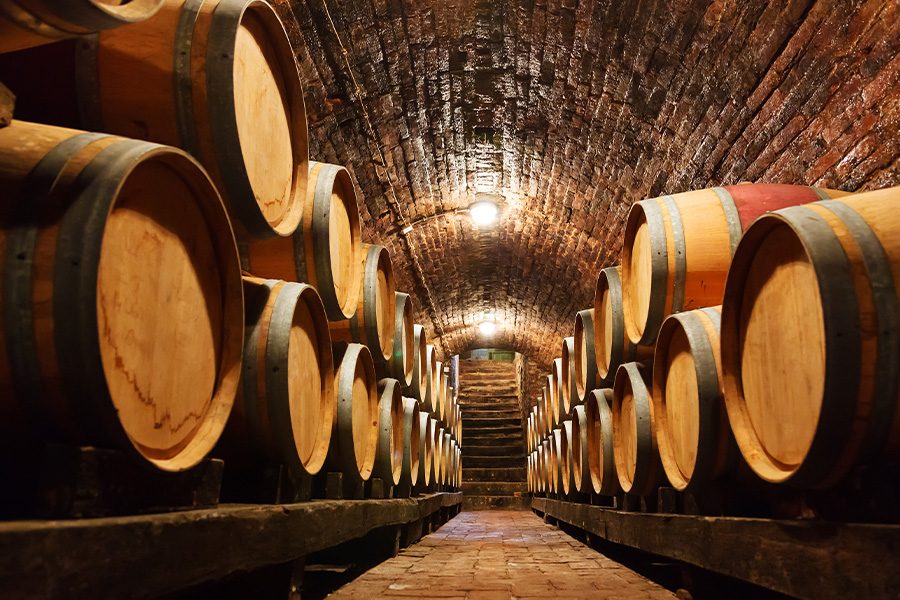
This underground cellar dates back to the 19th century and serves as an authentic museum of local winemaking. It stores early agricultural tools alongside historic oak casks used by generations of the Minardi family. The space maintains a naturally regulated humidity level ideal for aging white and red varieties.
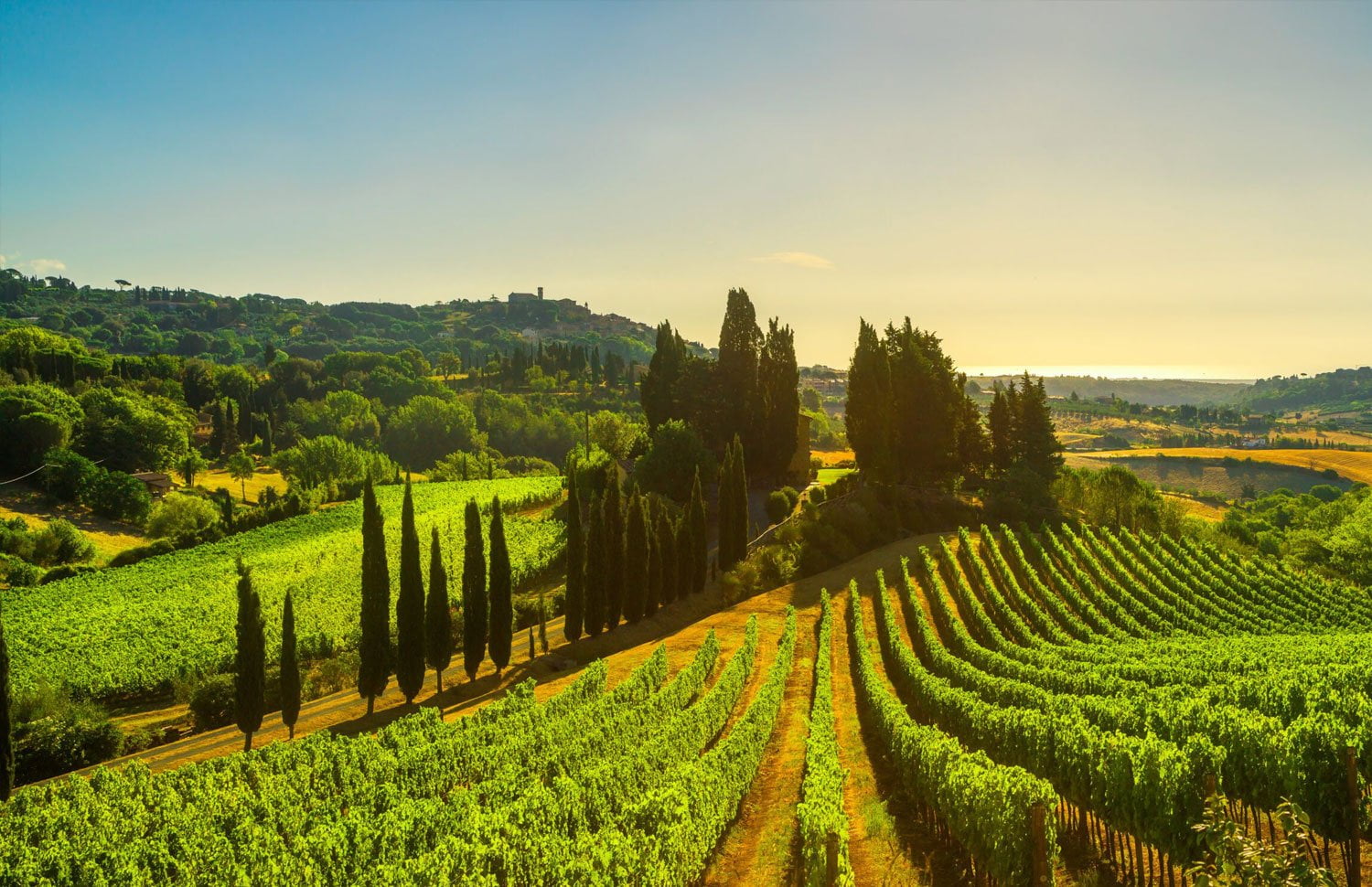
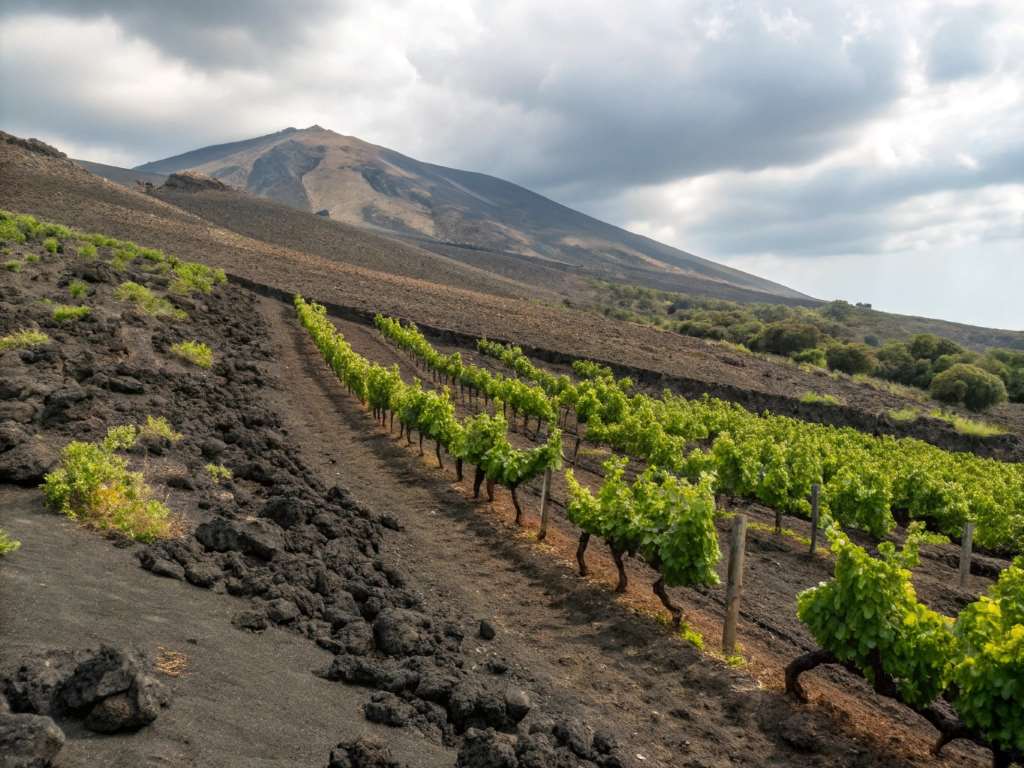
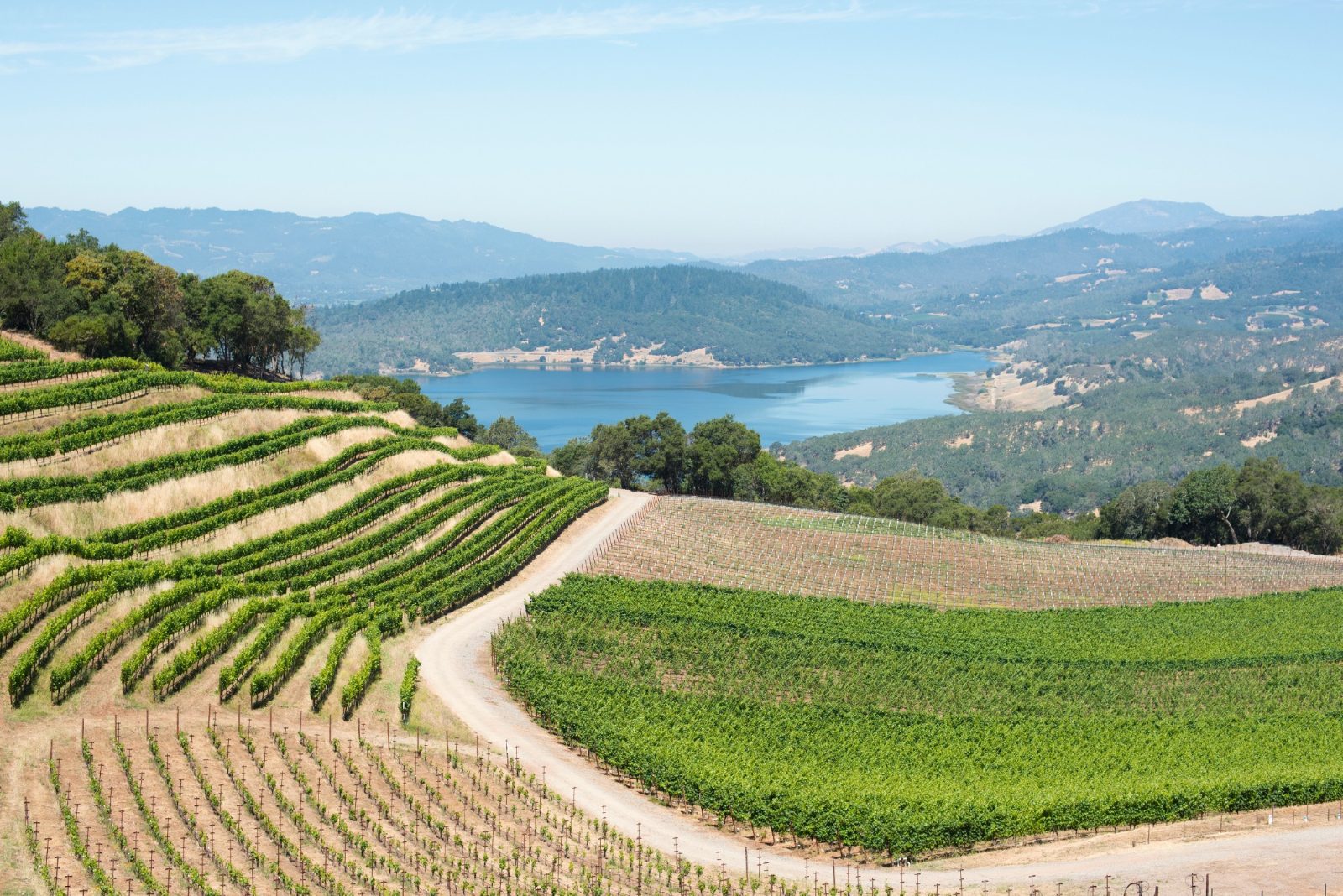
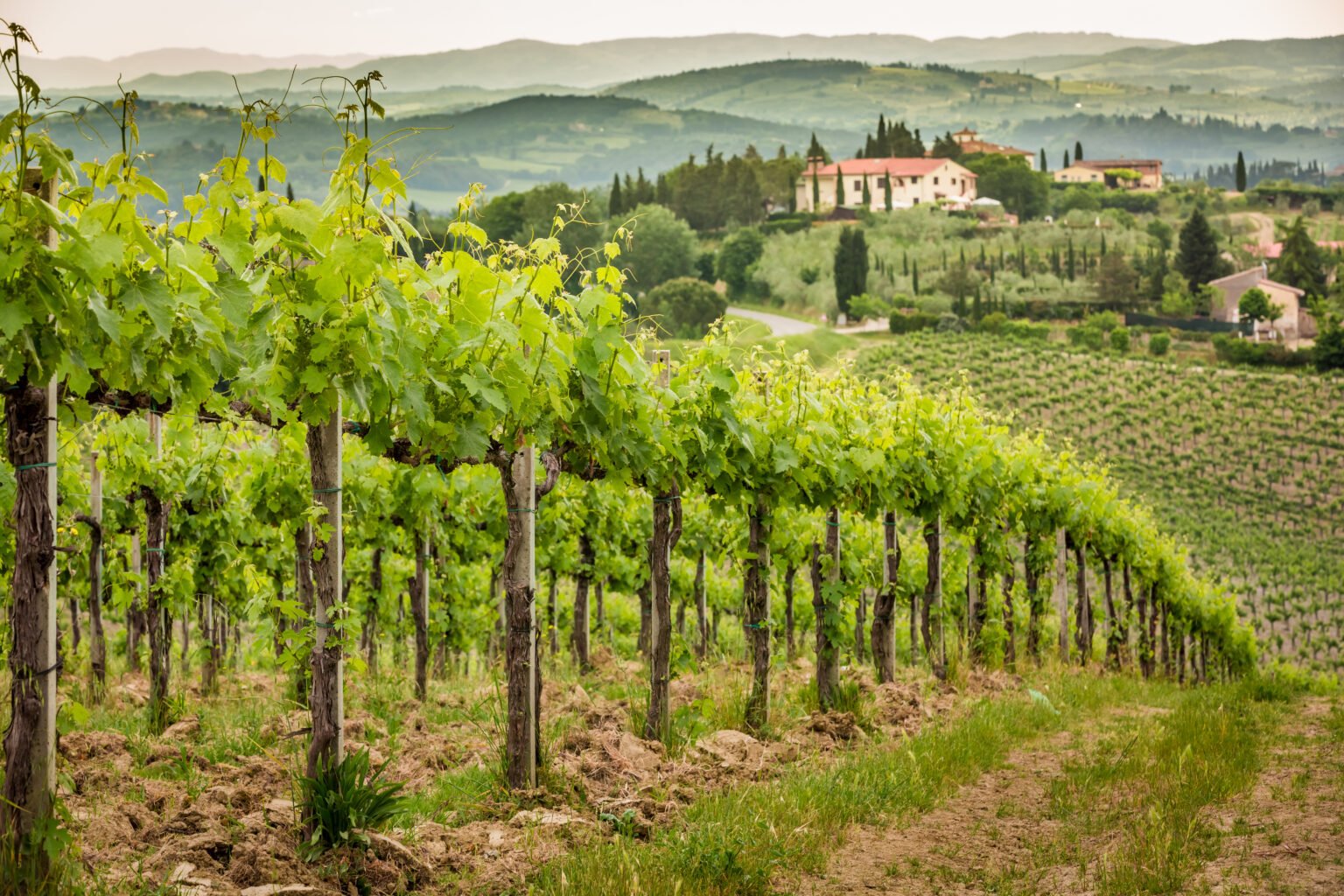
The estate vineyards grow on mineral-rich volcanic soils deposited thousands of years ago by the ancient Vulcano Laziale. These unique soils supply the high potassium levels that give Frascati Superiore DOCG its characteristic mineral taste. The vines are managed using traditional farming techniques passed down through centuries.
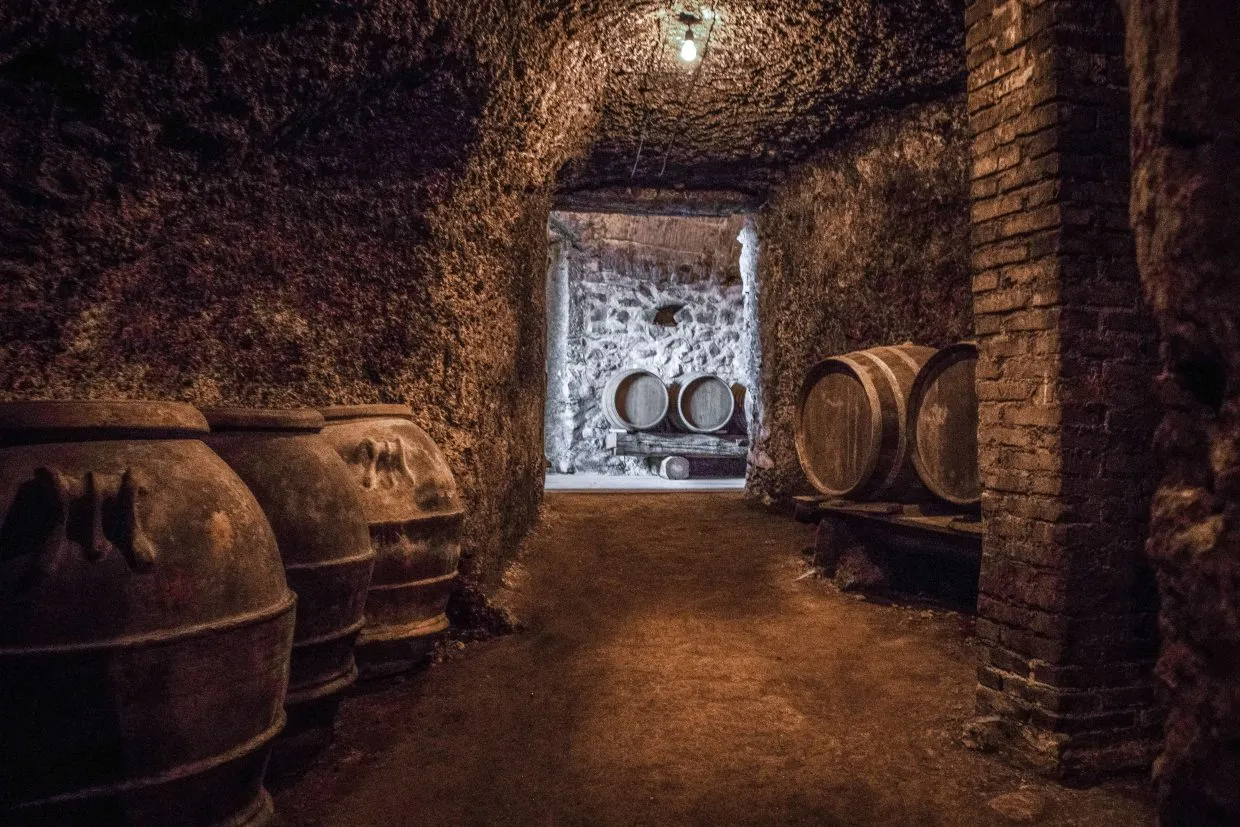
These deep caves were carved directly into the soft volcanic tuff stone during the ancient Roman era. They keep a constant year-round temperature of approximately 15°C (59°F) without any modern climate control. Today, they are used to age reserve red wines and sweet Cannellino varieties.
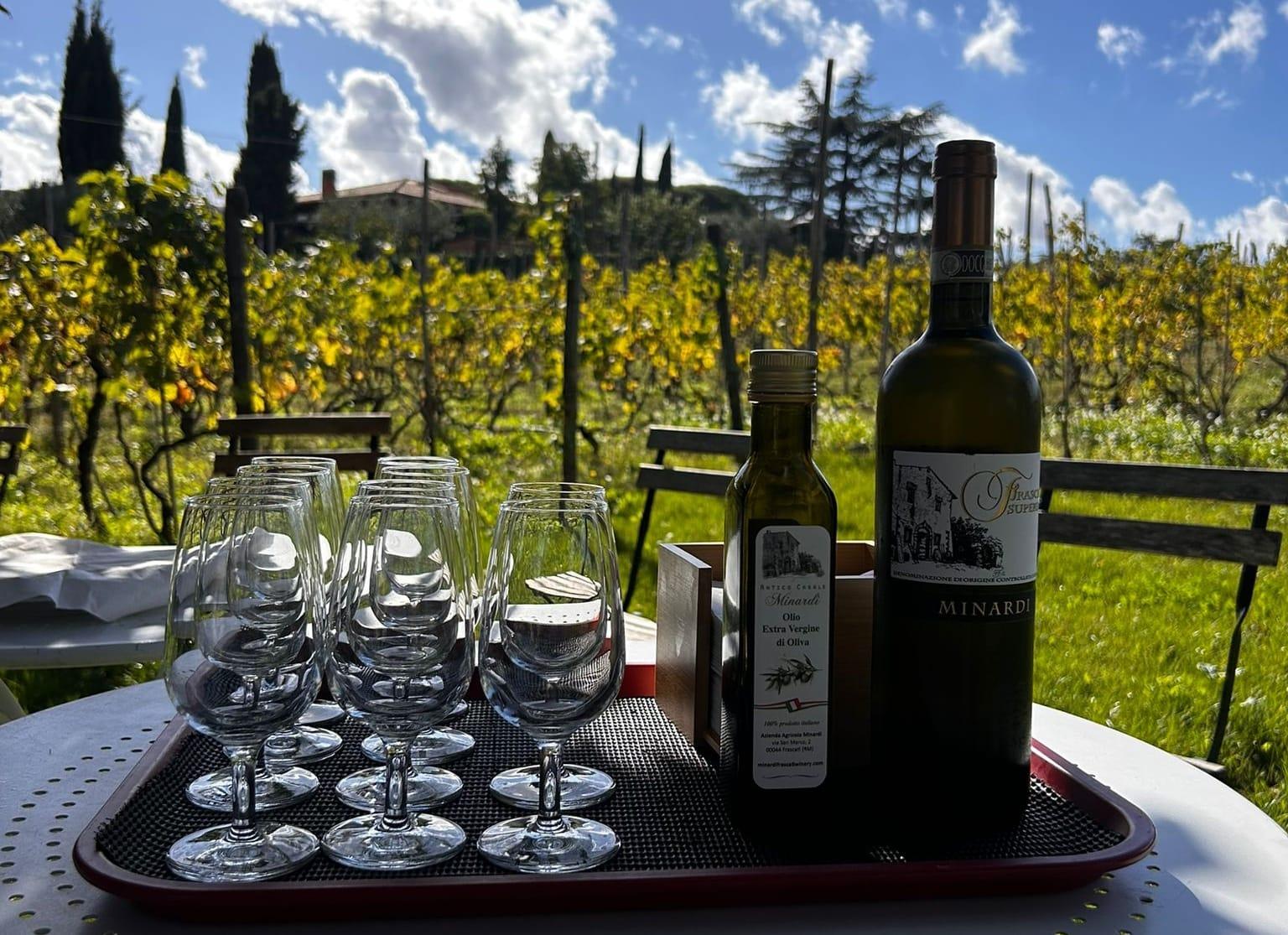
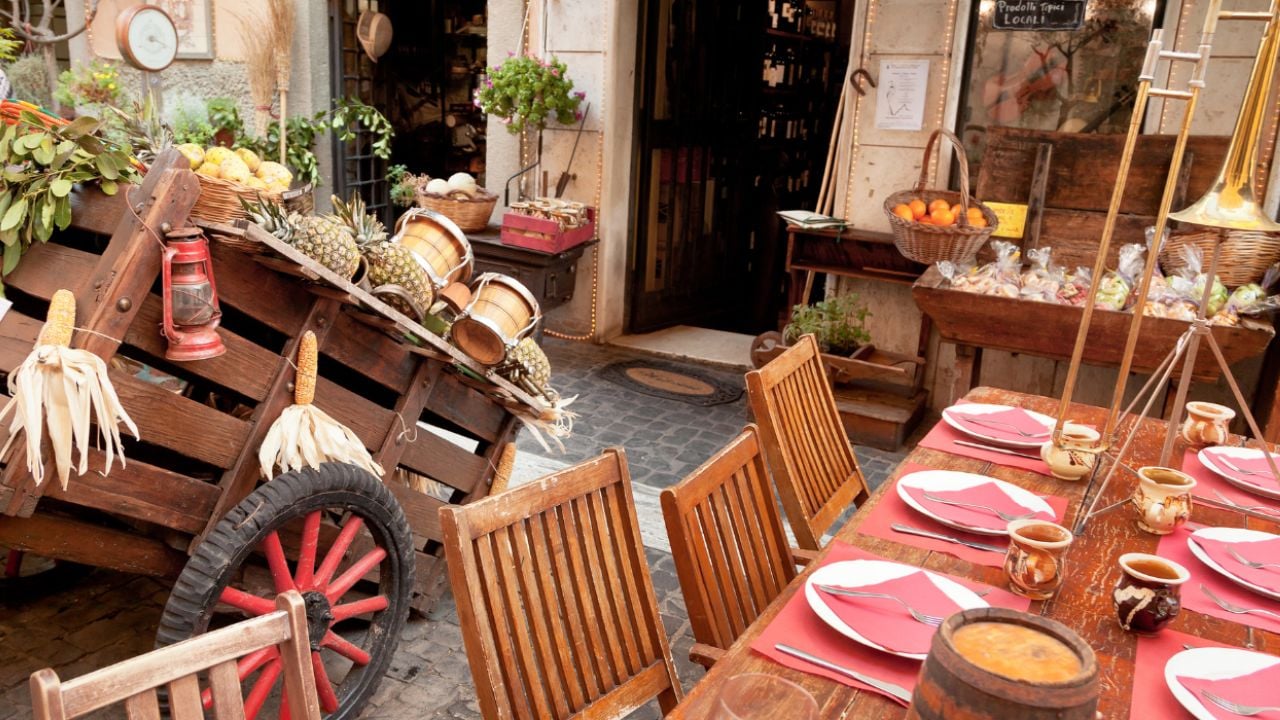
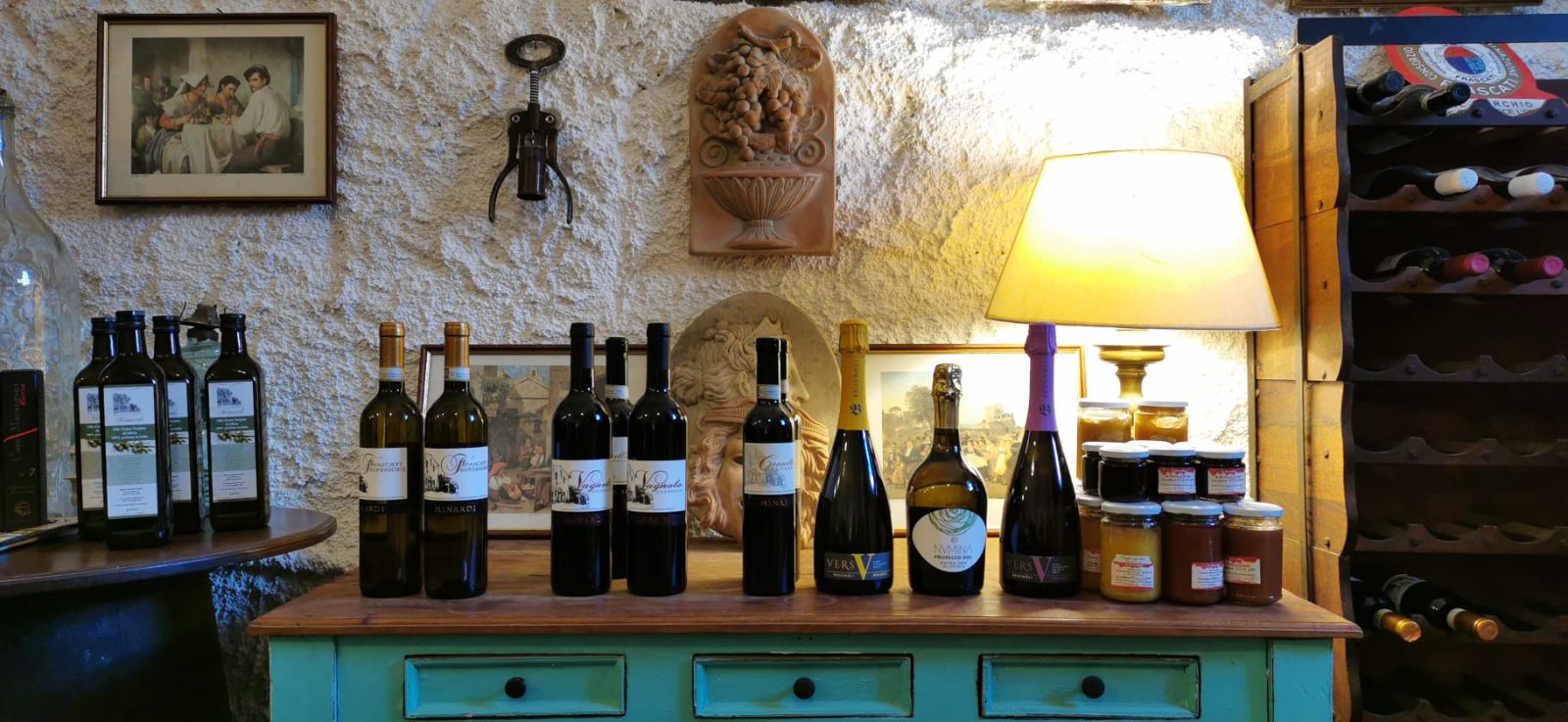
This rustic indoor space is located inside a 16th-century farmhouse that has been restored to host visitors. It features exposed wooden beams, stone walls, and displays of historical household items from the Castelli Romani region. Here, guests gather to taste estate-produced wines and extra virgin olive oil.
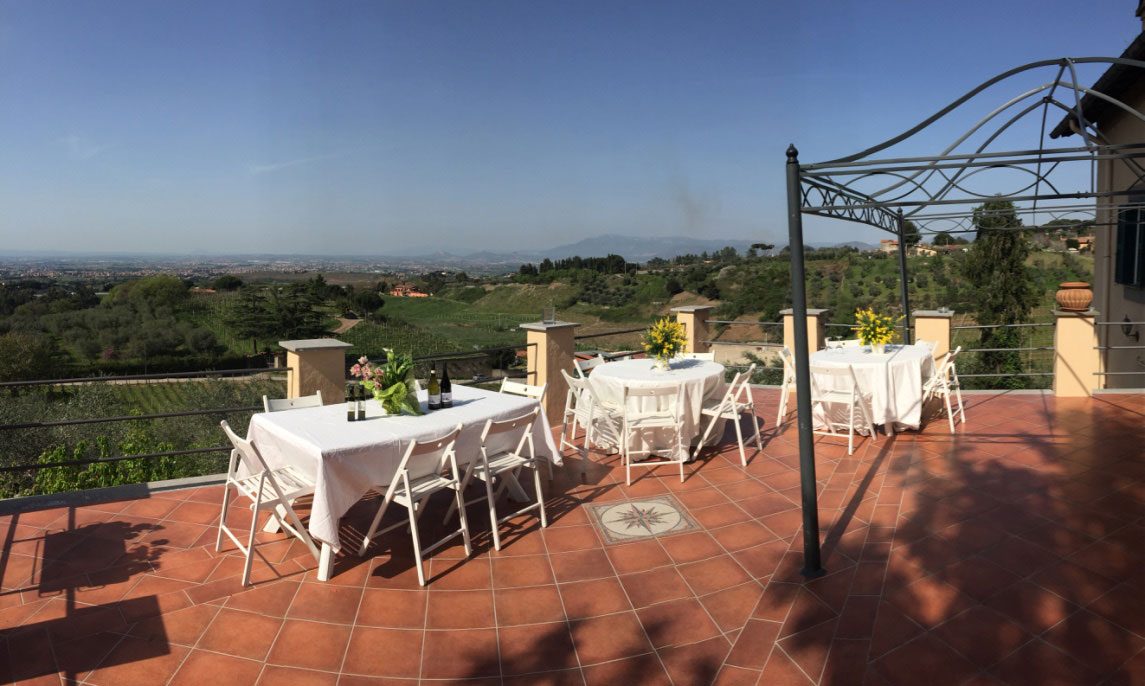
The outdoor wooden deck overlooks the rolling hills of the Lazio countryside with the distant skyline of Rome visible on clear days. It offers a scenic space where visitors can relax after their walk through the vineyards. The terrace sits at an elevation of roughly 300 meters above sea level.
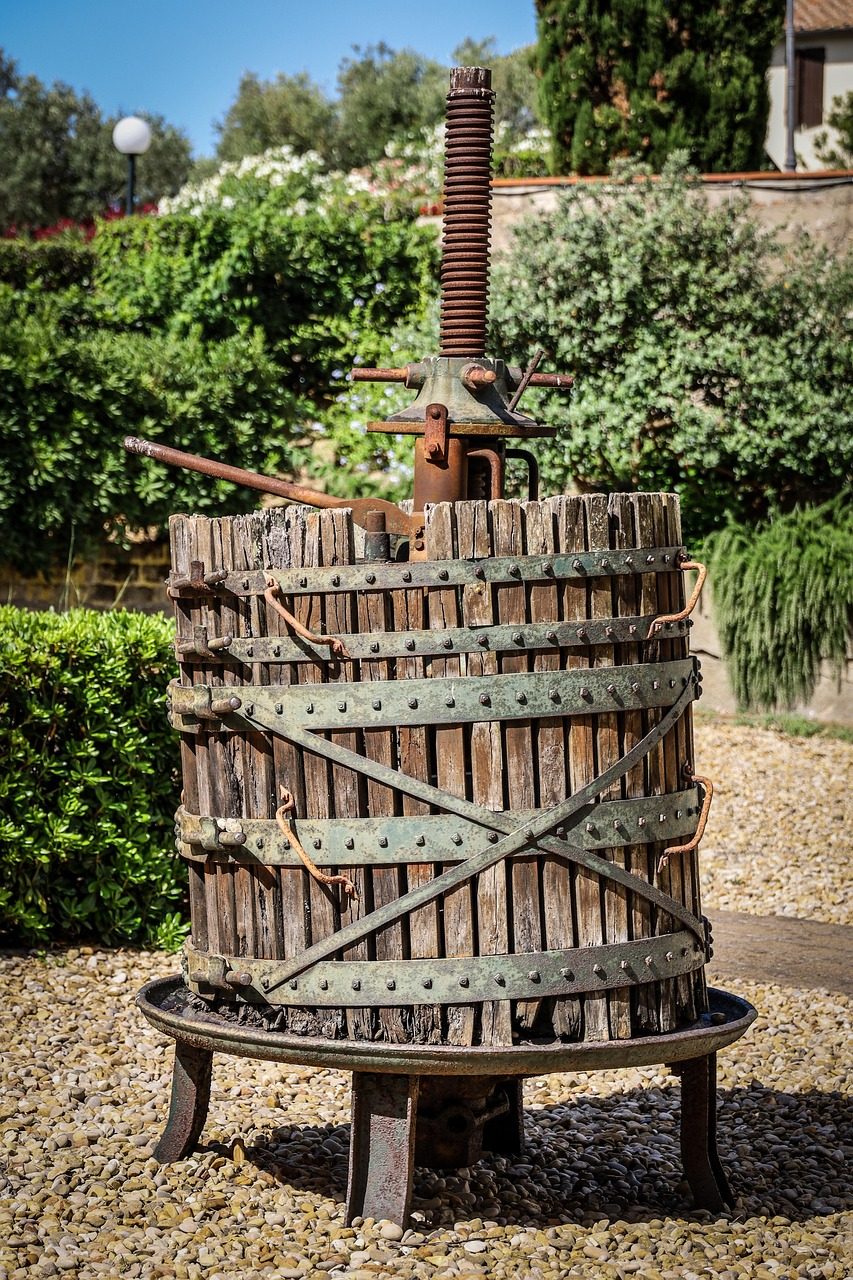
This large wooden press from the early 20th century highlights the manual labor once required to extract grape juice. It stands in the main courtyard of the estate as a testament to historical agricultural engineering. It is one of the few surviving working presses of its generation in the region.
Every Frascati Wine tour side-by-side — duration, what's included, how you redeem.
| Experience | From | Duration | Rating | Guide | Small group | Free cancel. | Price | |
|---|---|---|---|---|---|---|---|---|
|
Standard Entry Most popular
Frascati Wine & Farmhouse Lunch from Rome
|
Rome | 4 hr | ★ 4.9 | ✓ | ✓ | ✓ | €84 | Book → |
|
Guided Experience
Frascati Wine Experience with Vineyard Tour & Lunch
|
— | 6 hr | ★ 4.7 | ✓ | ✓ | ✓ | €103 | Book → |
|
Standard Entry
Pasta Workshop & Vineyard Wine Experience from Rome
|
Rome | 4 hr | ★ 4.9 | ✓ | ✓ | ✓ | €84 | Book → |
All prices from verified partners. Availability and exact terms confirmed at checkout.
Choose your ticket, select your date, and reserve in under two minutes. Secure checkout handled by our verified partner.
Instant confirmation by email, with a mobile voucher you can save offline. No printing, no queuing at a collection desk.
Arrive at the entrance, show your voucher on your phone, and walk in. Most tickets include priority or skip-the-line access.
Best time to go, insider tips, nearby landmarks, and the cancellation fine print — flip through to skim what matters to you.
How crowds, weather, and events shift across the year.
From April to June, temperatures range from 15°C to 24°C, offering pleasant weather for walking through the vineyards, making it a perfect time for a Rome countryside winery visit. The vines are in their early green growth phase, and crowds are manageable before the summer peak.
July and August bring hot weather, with temperatures often exceeding 30°C. Visiting during the recommended 09:00–11:00 window helps avoid the intense midday heat before retreating to cool underground cellars.
September and October are harvest season, offering a lively atmosphere as grapes are picked and pressed. The changing foliage turns the hillsides vibrant shades of orange and gold, and temperatures hover around 20°C.
From November to March, the weather is cooler and wetter, with temperatures dropping to 5°C to 12°C. While vineyards are dormant, cozying up in a historic heated cellar or osteria for wine and warm pasta remains highly appealing.
Small details that turn a good visit into a great one.
Wineries in the Castelli Romani region operate on a strict booking policy and cannot accommodate walk-in visitors for tastings. Secure your reservation online at least a few days prior.
If you are traveling by train from Rome, remember to stamp your regional paper ticket at the green validation machines before boarding the train.
Avoid open-toe sandals or smooth-soled shoes. Walking through dusty vineyard rows and climbing damp stone steps in historic cellars requires shoes with good grip.
Winery lunches feature traditional Roman dishes containing gluten, pork, and cheese. Inform the tour organizers of any dietary restrictions when you book your Frascati wine tour to ensure proper alternatives.
Underground tuff-stone aging cellars maintain a constant cool temperature year-round. Bring a light sweater or jacket to wear during the cellar tasting portion of the trip.
Non-bookable sights within a short walk — free to visit, easy to pair.
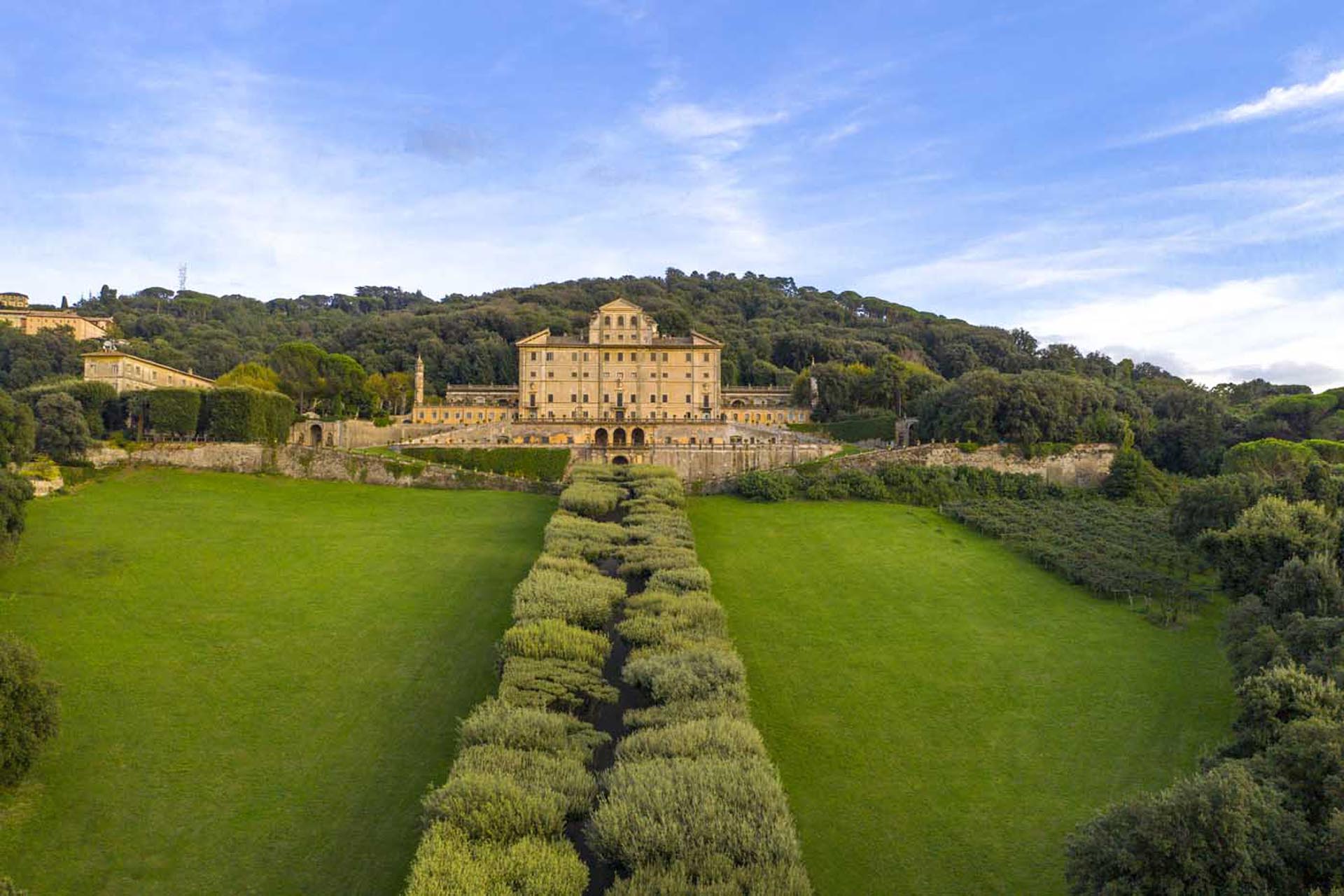
An imposing 17th-century monumental villa overlooking the town, featuring grand baroque facades and extensive gardens.
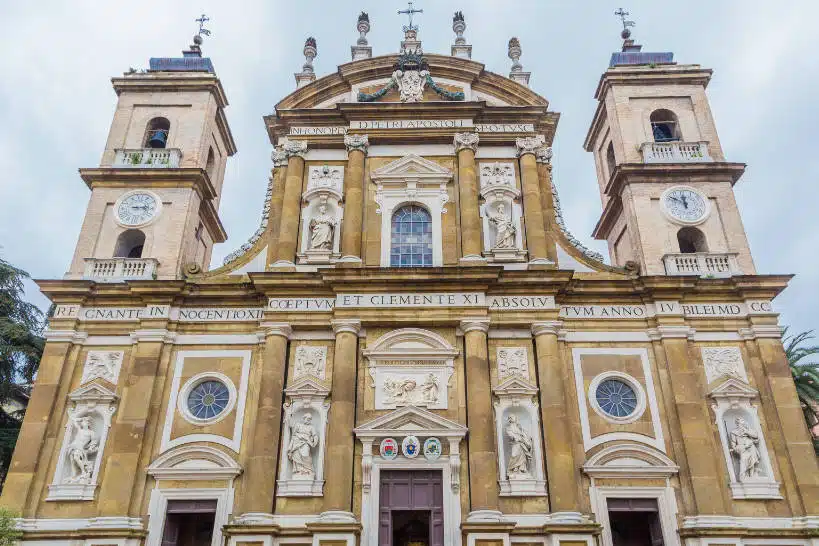
A late-baroque cathedral dedicated to Saint Peter Apostle, featuring a striking dark volcanic stone facade.
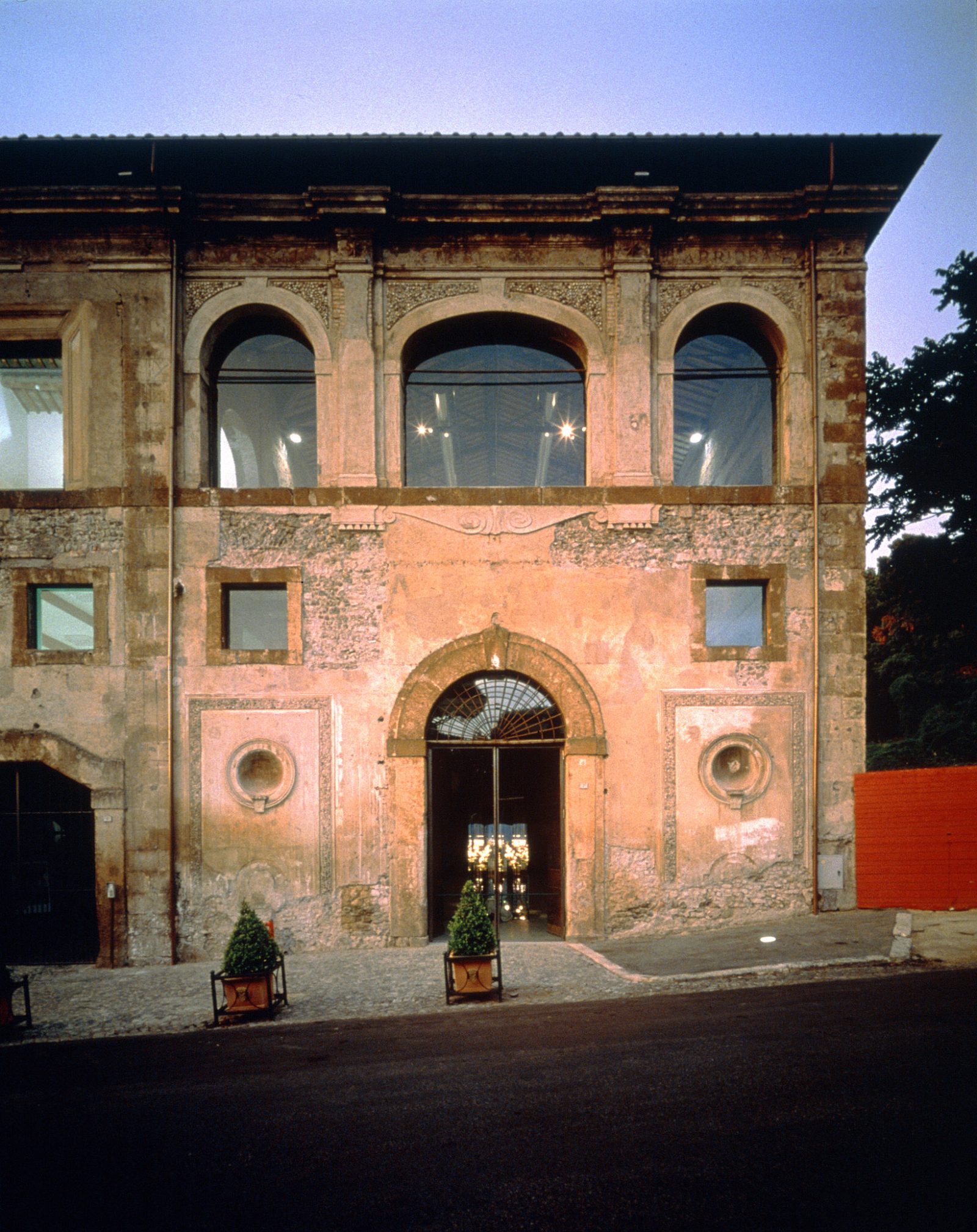
A former stable building redesigned by Massimiliano Fuksas, now housing an archaeological museum displaying Roman Tusculum artifacts.
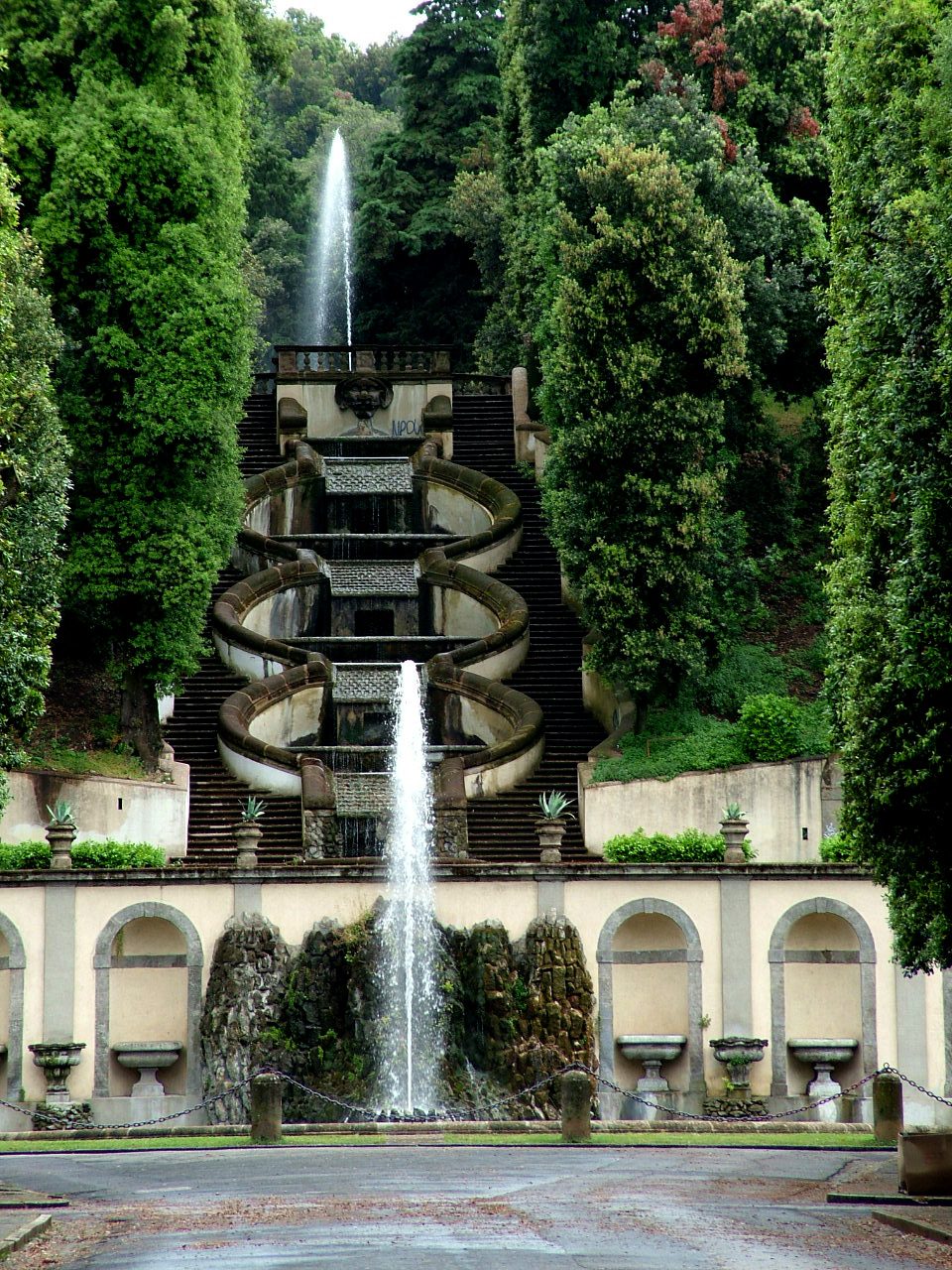
A public park featuring pathways, ancient trees, and the remains of the Teatro delle Acque water fountain monument.
Flexible, no hidden fees.
Most local operators offer a full refund if canceled up to 24 hours before the scheduled departure. Access to the town is subject to a 0 EUR entrance fee, meaning any fees paid are solely for private winery services.
Hand-picked options within walking distance — pick a district for vibe, or a specific hotel for convenience.
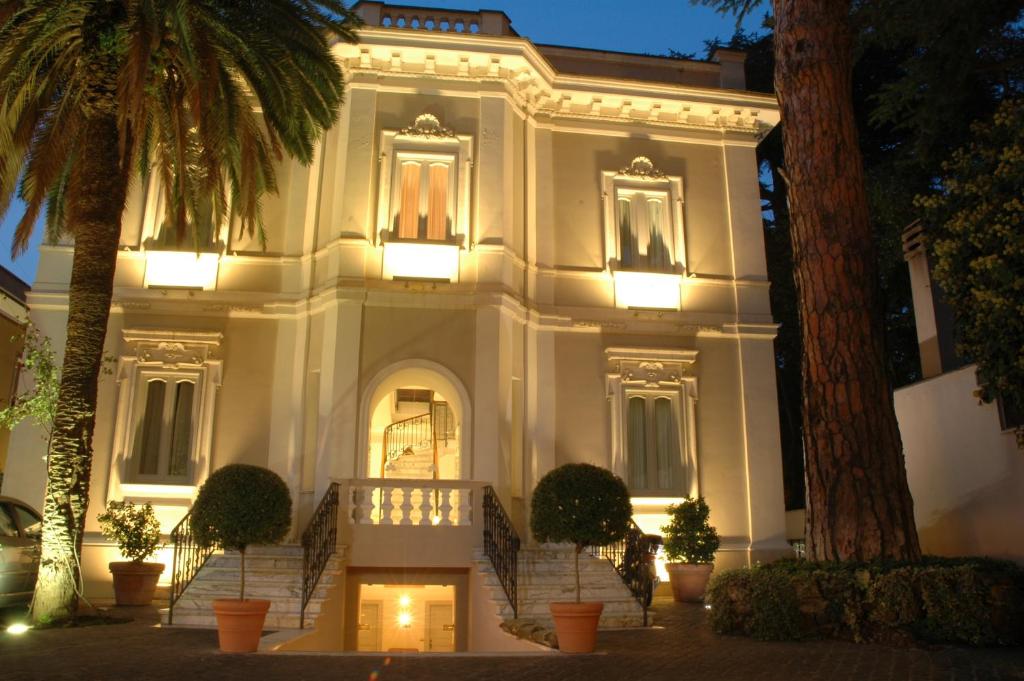
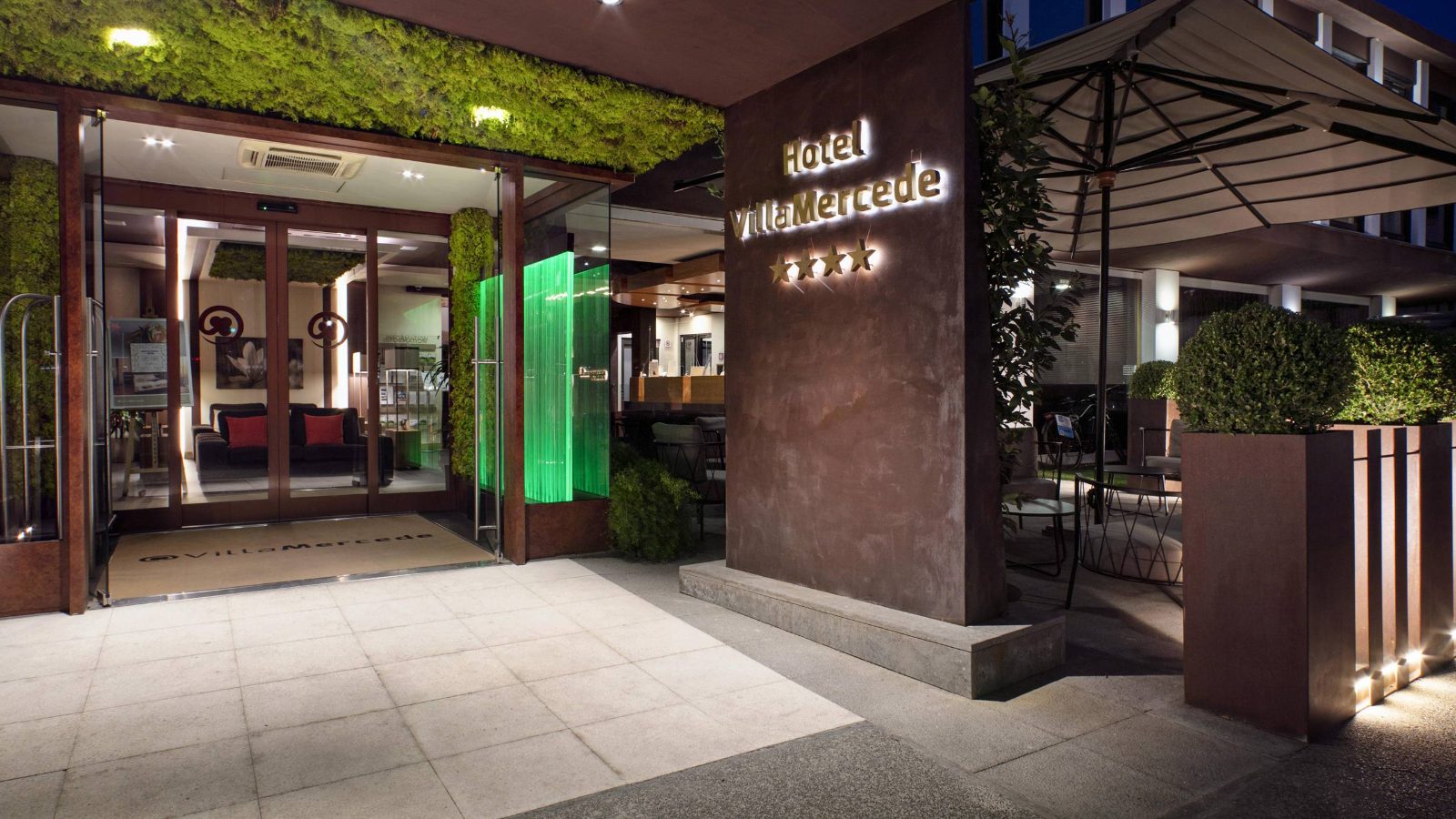
A 4-star liberty-style hotel offering panoramic views of Rome, elegant rooms, and a manicured garden setting.
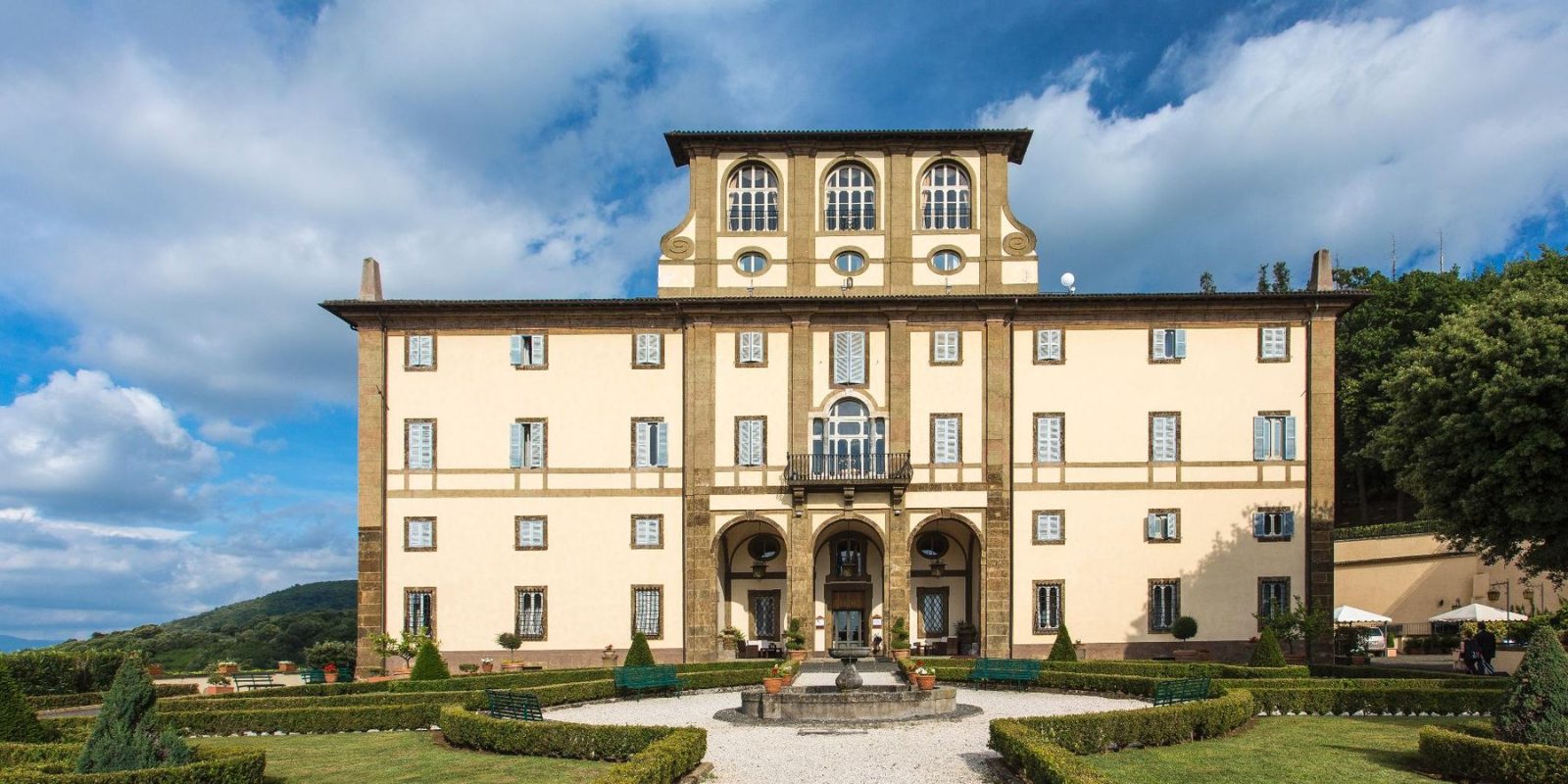
A historic 16th-century grand villa turned hotel, complete with a wellness center and outdoor pool overlooking the Castelli Romani.
A modern hotel featuring wellness amenities, an outdoor pool, and an onsite restaurant just outside the town center.
Frascati has supplied Rome with wine since the Renaissance, when cardinals and popes built summer villas across these volcanic hills to escape the heat and secure their cellars. The town sits fifteen kilometers southeast of the capital, perched above the Tuscolana plain on slopes formed by the ancient Latium volcano.
The soil — a mix of pozzolana ash, tufa, and decomposed lava — drains fast and stresses the vines just enough to concentrate flavor. Malvasia Puntinata and Trebbiano Toscano have grown here for four hundred years, producing a straw-colored white with green apple acidity and a faint mineral snap that pairs with fried artichokes, salt cod, and porchetta.
The Frascati DOC was Italy's first denominazione, awarded in 1966 to protect a wine that had become synonymous with casual Roman dining. By the 1980s, industrial overproduction had thinned the wine's reputation, but a wave of small estates in the 1990s brought back low-yield viticulture and extended lees aging. Today the appellation covers roughly two thousand hectares, split between cooperative cellars that bottle for export and family cantinas that sell directly from sixteenth-century tufa caves beneath the town center. A smaller subset of producers make Cannellino di Frascati, a late-harvest style with residual sugar and notes of dried apricot and honey, traditionally served with almond biscotti.
Frascati wine tour experiences range from half-day vineyard walks with three-wine tastings to full-day itineraries that combine cellar visits, hand-rolled pasta workshops, and stops at Villa Aldobrandini's terraced gardens. Most tours depart from Rome by minibus and include a stop at a hillside estate where guides explain the volcanic terroir, the role of indigenous yeast, and the difference between the crisp Frascati Superiore and the rounder DOC base wine. Winery access requires a pre-booked tour; the town itself is free to explore, with public cellars clustered along Via Regina Margherita and Piazza San Pietro. Morning departures between 9:00 and 11:00 allow time for vineyard walks before the midday sun peaks, and most tastings conclude with a light lunch of local cold cuts, pecorino, and olive oil from the Sabine hills. The Frascati winery tour circuit remains one of the most accessible wine routes from central Rome, combining historical depth with a DOC designation that still carries weight among Italian whites.

"Frascati has supplied Rome with wine since the Renaissance, when cardinals built summer villas to escape the heat and secure their cellars."
For a Frascati wine tour tour, wear casual clothing and comfortable, closed-toe walking shoes to safely navigate vineyard paths.
Yes, private options are available, allowing you to customize your itinerary and visit specific historical estates at your own pace.
Cancellation policies vary by operator, but most allow a full refund if canceled at least 24 hours before the experience.
Many historic tuff-stone wine cellars and vineyard hillsides have steep steps, making accessibility limited for guests with mobility issues.